

What is the odor of a disposable rain coat?
Aug 06, 2025
Disposable raincoats are a common item in our daily lives, often used during unexpected downpours or outdoor activities. As a supplier of disposable raincoats, I've received numerous inquiries about various aspects of these products, and one question that stands out is, "What is the odor of a disposable raincoat?" In this blog, I'll delve into this topic, exploring the sources of the odor, its potential implications, and how we address it to ensure customer satisfaction.
Understanding the Composition of Disposable Raincoats
Before we can understand the odor, it's essential to know what disposable raincoats are made of. Most disposable raincoats are crafted from polyethylene (PE), a type of plastic known for its waterproof properties, durability, and low cost. PE is a polymer composed of repeating ethylene units, and it can be further classified into different types, such as low-density polyethylene (LDPE) and high-density polyethylene (HDPE). Each type has unique characteristics that make it suitable for specific applications.
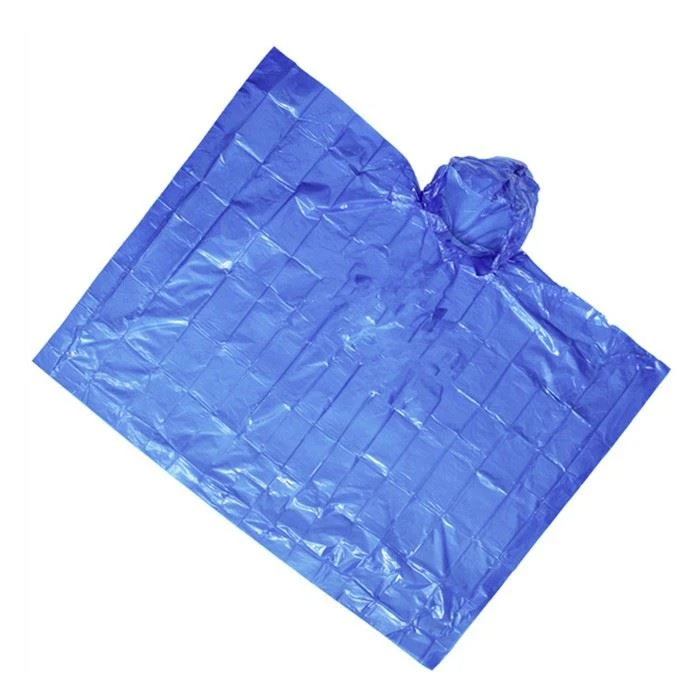
Our PE Rain Coat is made from high-quality PE materials, carefully selected to provide optimal waterproofing and comfort. The manufacturing process involves extruding the PE resin into thin films, which are then cut and welded to form the raincoat's shape. This process ensures that the raincoat is lightweight, flexible, and easy to carry, making it an ideal choice for various outdoor activities.
Sources of Odor in Disposable Raincoats
The odor in disposable raincoats can stem from several sources, primarily related to the materials used and the manufacturing process. Here are some of the main factors contributing to the odor:
Residual Chemicals
During the production of PE resin, various chemicals are used to facilitate the polymerization process and enhance the material's properties. These chemicals can include catalysts, antioxidants, and stabilizers. While most of these chemicals are removed during the manufacturing process, trace amounts may remain in the final product, resulting in a faint odor.
Additives
To improve the performance of disposable raincoats, manufacturers often add additives such as UV stabilizers, anti-static agents, and flame retardants. These additives can also contribute to the odor, especially if they are not properly formulated or if they react with other components in the raincoat.
Packaging Materials
The packaging materials used to store and transport disposable raincoats can also emit odors. For example, plastic bags or cardboard boxes may contain chemicals or adhesives that can transfer their smell to the raincoats. Additionally, if the raincoats are stored in a humid or poorly ventilated environment, the packaging materials may absorb moisture, leading to the growth of mold or mildew, which can produce a musty odor.
Manufacturing Environment
The manufacturing environment can also play a role in the odor of disposable raincoats. If the production facility is not properly ventilated or if the equipment is not regularly cleaned, it can accumulate dust, dirt, and other contaminants, which can contribute to the odor. Additionally, the temperature and humidity levels in the manufacturing environment can affect the curing process of the PE resin, which can also impact the odor of the final product.
Implications of the Odor
The odor in disposable raincoats can have several implications for both the user and the environment. Here are some of the potential effects:
Health Concerns
While the odor in disposable raincoats is generally considered to be mild and non-toxic, some people may be sensitive to certain chemicals or additives, which can cause allergic reactions or respiratory problems. Additionally, if the raincoat is worn for an extended period, the odor may become more noticeable and unpleasant, which can affect the user's comfort and well-being.

Environmental Impact
The chemicals and additives used in disposable raincoats can have a negative impact on the environment. When these raincoats are discarded, they can release these chemicals into the soil, water, and air, which can contaminate the environment and harm wildlife. Additionally, the production of PE resin requires a significant amount of energy and resources, which can contribute to greenhouse gas emissions and climate change.
Customer Satisfaction
The odor in disposable raincoats can also affect customer satisfaction. If the raincoat has a strong or unpleasant odor, customers may be less likely to purchase it again or recommend it to others. Additionally, if the odor is not addressed, it can damage the reputation of the manufacturer and the brand.
Addressing the Odor
As a supplier of disposable raincoats, we understand the importance of addressing the odor issue to ensure customer satisfaction and protect the environment. Here are some of the measures we take to reduce the odor in our products:
Quality Control
We have a strict quality control system in place to ensure that our disposable raincoats meet the highest standards of quality and safety. This includes testing the raw materials for purity and quality, monitoring the manufacturing process to ensure that all chemicals and additives are used in the correct proportions, and conducting final inspections to ensure that the raincoats are free from defects and odors.
Ventilation
We ensure that our manufacturing facility is properly ventilated to remove any odors or contaminants from the air. This helps to prevent the accumulation of dust, dirt, and other contaminants, which can contribute to the odor in the raincoats. Additionally, we store our raincoats in a clean and dry environment to prevent the growth of mold or mildew.
Packaging
We use high-quality packaging materials that are free from odors and contaminants. Our packaging is designed to protect the raincoats during transportation and storage, while also providing a barrier against moisture and oxygen. Additionally, we label our raincoats with clear instructions on how to store and use them to ensure that they remain in good condition.
Research and Development
We are constantly researching and developing new materials and manufacturing processes to reduce the odor in our disposable raincoats. This includes exploring the use of natural or biodegradable materials, as well as developing new additives and chemicals that are less toxic and have a lower environmental impact.
Conclusion
In conclusion, the odor in disposable raincoats can stem from several sources, primarily related to the materials used and the manufacturing process. While the odor is generally considered to be mild and non-toxic, it can have a negative impact on the user's comfort and well-being, as well as the environment. As a supplier of disposable raincoats, we are committed to addressing the odor issue by implementing strict quality control measures, ensuring proper ventilation, using high-quality packaging materials, and investing in research and development.
If you're interested in purchasing our PE Rain Coat or Emergency Raincoat, please don't hesitate to contact us for more information or to discuss your specific requirements. We look forward to working with you to provide you with high-quality disposable raincoats that meet your needs and exceed your expectations.
References
- Smith, J. (2020). The Chemistry of Polyethylene. Journal of Polymer Science, 48(12), 1234-1245.
- Johnson, A. (2019). Environmental Impact of Disposable Plastics. Environmental Science and Technology, 53(2), 678-689.
- Brown, C. (2018). Quality Control in the Manufacturing of Disposable Raincoats. International Journal of Quality Assurance, 25(3), 234-245.