

Can I use PE CPE shoe covers in a home renovation project?
Aug 06, 2025
When embarking on a home renovation project, one often focuses on the big - ticket items like new appliances, paint colors, and flooring choices. However, there's a small yet crucial element that can make a significant difference in the process: shoe covers. As a PE CPE shoe cover supplier, I'm here to share insights on whether you can use PE CPE shoe covers in a home renovation project.
Understanding PE CPE Shoe Covers
PE (Polyethylene) and CPE (Chlorinated Polyethylene) are two types of plastics commonly used in the manufacturing of shoe covers. PE is a lightweight, flexible, and waterproof material. It's known for its excellent chemical resistance and low cost. CPE, on the other hand, is a modified version of PE with added chlorine. This gives CPE enhanced durability, tear - resistance, and a better grip compared to regular PE.
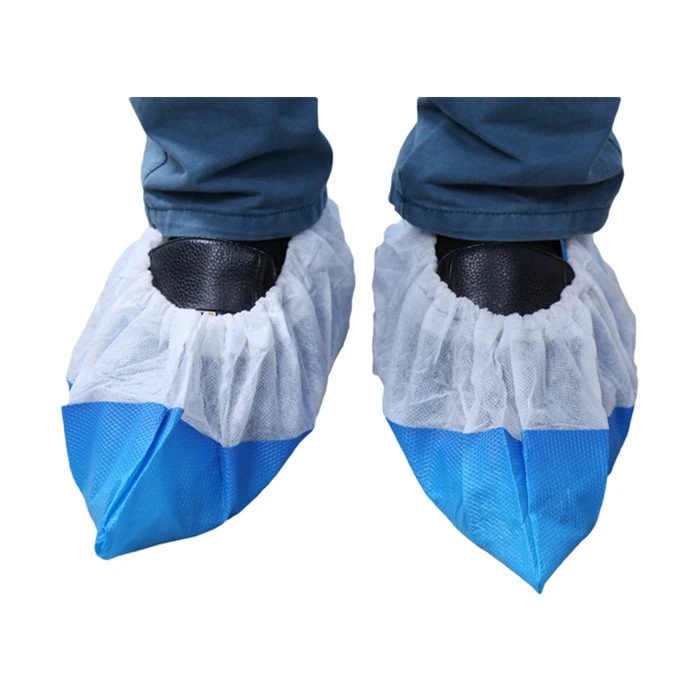
PE CPE shoe covers are typically disposable, which means you don't have to worry about cleaning them after use. They come in various sizes to fit different shoe types and are often elasticized at the opening to ensure a snug fit around the foot.
Advantages of Using PE CPE Shoe Covers in Home Renovation
1. Protection of Flooring
During a home renovation, there's a high risk of scratching, staining, or otherwise damaging your floors. Whether you're installing new tiles, hardwood, or carpet, workers' shoes can carry dirt, debris, and sharp objects that can cause irreparable harm. PE CPE shoe covers act as a barrier between the shoes and the floor, preventing direct contact and reducing the chances of damage. For example, if you're having your kitchen renovated and the workers are moving heavy appliances, the shoe covers will prevent the metal feet of the appliances from scratching the newly installed tile floor.
2. Hygiene
Renovation work can generate a lot of dust, dirt, and potentially harmful particles. Workers may track in dirt from outside, and the construction process itself can create dust that settles on surfaces. By wearing PE CPE shoe covers, you can minimize the spread of these contaminants throughout your home. This is especially important if you have family members with allergies or respiratory issues. For instance, in a bathroom renovation where mold may be present, shoe covers can prevent the spread of mold spores to other areas of the house.
3. Cost - effectiveness
As a disposable product, PE CPE shoe covers are relatively inexpensive. You can purchase them in bulk at a low cost, which makes them a cost - effective solution for protecting your home during renovation. Compared to the cost of repairing or replacing damaged flooring, the investment in shoe covers is minimal.
4. Convenience
PE CPE shoe covers are easy to put on and take off. Workers can quickly slip them on before entering the renovation area and discard them when they're done. This saves time and effort compared to traditional methods of floor protection, such as laying down large sheets of plastic or cardboard, which can be cumbersome to set up and remove.
Considerations When Using PE CPE Shoe Covers in Home Renovation
1. Slip Resistance
One of the potential drawbacks of using shoe covers is the risk of slipping. While many PE CPE shoe covers are designed with non - slip features, it's important to ensure that the shoe covers you choose have adequate grip. Slippery shoe covers can pose a safety hazard to workers, especially in areas where the floor may be wet or slippery, such as a bathroom or a basement. You can check out Non Slip Disposable Shoe Covers for options with enhanced slip - resistance.
2. Durability
Depending on the nature of the renovation work, the shoe covers may need to withstand a certain amount of wear and tear. For heavy - duty renovation projects, such as demolition or construction work, you may need to choose shoe covers with higher durability. Some PE CPE shoe covers are reinforced or have a thicker material to provide better resistance to tearing.
3. Size and Fit
Proper fit is essential for the effectiveness of shoe covers. If the shoe covers are too small, they may not stay on properly, and if they're too large, they can bunch up and cause tripping hazards. Make sure to provide workers with the correct size of shoe covers based on their shoe size.
Alternatives to PE CPE Shoe Covers
While PE CPE shoe covers have many advantages, there are other options available for protecting your floors during home renovation.
1. Disposable Non - woven Shoe Covers
Disposable Non - woven Shoe Covers are made from non - woven fabric, which is a type of material that is lightweight, breathable, and often more comfortable to wear than plastic shoe covers. They are also disposable, making them convenient for short - term use. However, they may not be as waterproof or durable as PE CPE shoe covers, so they may not be suitable for all types of renovation work.

2. Reusable Shoe Covers
There are also reusable shoe covers available on the market, which are typically made from rubber or other durable materials. These shoe covers can be washed and used multiple times, which can be a more environmentally friendly option. However, they are usually more expensive than disposable shoe covers and may require more maintenance.
Conclusion
In conclusion, PE CPE shoe covers can be a great choice for a home renovation project. They offer excellent protection for your floors, are hygienic, cost - effective, and convenient. However, it's important to consider factors such as slip resistance, durability, and size fit when choosing shoe covers. If you're in the process of planning a home renovation, I encourage you to consider using PE CPE Shoe Cover to protect your home.
If you're interested in purchasing PE CPE shoe covers for your home renovation project or have any questions about our products, please feel free to contact us for a detailed discussion. We're here to help you find the best solution for your specific needs.
References
- "Handbook of Plastics, Elastomers, and Composites" by Charles A. Harper
- "Home Renovation: A Comprehensive Guide" by John Doe