

What is the thickness of non - woven shoe covers?
May 14, 2025
As a supplier of non - woven shoe covers, one of the most frequently asked questions I encounter is about the thickness of non - woven shoe covers. This seemingly simple question has a lot of depth and can significantly impact the performance and suitability of the shoe covers for different applications.
Understanding Non - woven Materials
Before delving into the thickness, it's essential to understand what non - woven materials are. Non - woven fabrics are made by bonding or interlocking fibers together through mechanical, chemical, or thermal processes, rather than weaving or knitting. This manufacturing method allows for a wide range of properties to be engineered into the fabric, such as strength, absorbency, and durability.
Non - woven shoe covers are popular due to their cost - effectiveness, disposability, and ability to provide a barrier against dirt, dust, and other contaminants. They are commonly used in various industries, including healthcare, food processing, construction, and cleanroom environments.
Measuring the Thickness of Non - woven Shoe Covers
The thickness of non - woven shoe covers is typically measured in grams per square meter (gsm). This unit indicates the weight of the fabric per square meter of area. A higher gsm value generally means a thicker and more robust fabric.
For example, shoe covers with a low gsm, say around 10 - 15 gsm, are very thin and lightweight. These are often used in low - risk environments where only minimal protection is required, such as in an office setting where people just want to keep their shoes clean from light dust. They are also more cost - effective, making them a popular choice for short - term or one - time use.

On the other hand, shoe covers with a gsm of 30 - 50 or even higher are much thicker and more durable. These are suitable for more demanding environments, like construction sites or industrial workshops. They can withstand more wear and tear, provide better protection against sharp objects, and offer a higher level of barrier protection against liquids and contaminants.

Factors Affecting the Choice of Thickness
Environment
The environment in which the shoe covers will be used is a crucial factor in determining the appropriate thickness. In a cleanroom environment, where strict contamination control is required, thicker shoe covers with a higher gsm are often preferred. They can better prevent particles from being shed and provide a more reliable barrier. For instance, in a semiconductor manufacturing cleanroom, shoe covers with a gsm of 40 - 50 are commonly used to maintain the high - level cleanliness standards.
In contrast, in a retail store or a light - duty office environment, thinner shoe covers with a gsm of 15 - 20 are sufficient. They are comfortable to wear for long periods and can keep the floors clean from minor dirt and debris.
Duration of Use
If the shoe covers are going to be used for a short period, such as during a quick inspection in a factory, a thinner and less expensive option might be suitable. However, for workers who need to wear shoe covers throughout an entire shift, thicker and more durable shoe covers are necessary to ensure long - lasting protection.
Activity Level
High - activity environments, such as construction sites or warehouses, require shoe covers that can withstand constant movement and friction. Thicker shoe covers are better able to resist tearing and abrasion in these situations. Workers who are constantly walking, climbing, or kneeling will benefit from the added durability of a higher - gsm shoe cover.
Our Product Range
As a supplier, we offer a wide range of non - woven shoe covers with different thicknesses to meet the diverse needs of our customers. Our [Disposable Non - woven Shoe Covers](/disposable - shoe - cover/disposable - non - woven - shoe - covers.html) come in various gsm options, from 10 gsm for light - duty applications to 50 gsm for heavy - duty use.
We also provide [Non Slip Disposable Shoe Covers](/disposable - shoe - cover/non - slip - disposable - shoe - covers.html). These shoe covers are designed with a special non - slip surface, and we offer them in different thicknesses as well. The non - slip feature is particularly important in environments where there is a risk of slipping, such as in kitchens or wet areas.
For customers who are looking for high - quality and reliable shoe covers, our [Quality Disposable Shoe Cover](/disposable - shoe - cover/quality - disposable - shoe - cover.html) line is a great choice. These shoe covers are made from premium non - woven materials and are available in a range of thicknesses to suit different requirements.
The Impact of Thickness on Cost
It's important to note that the thickness of non - woven shoe covers has a direct impact on the cost. Thicker shoe covers generally cost more due to the increased amount of material used in their production. However, it's a matter of finding the right balance between cost and performance.
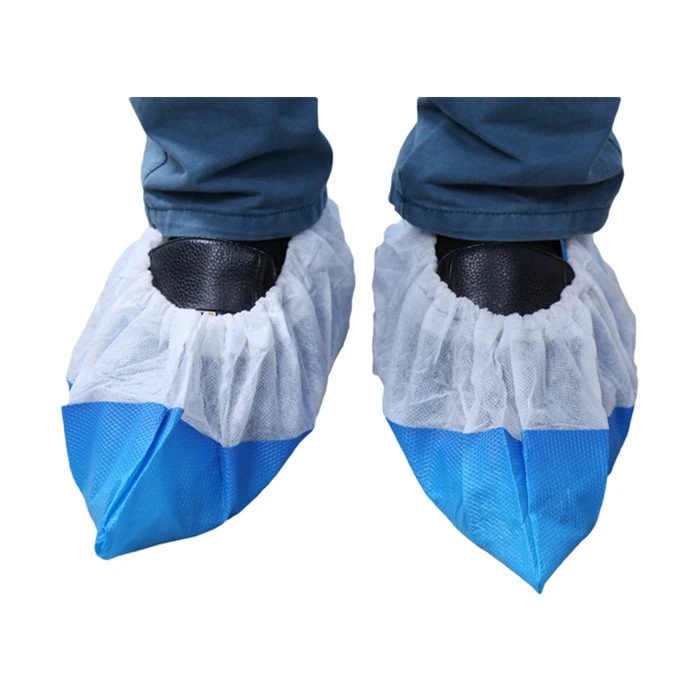
In some cases, using a slightly thicker shoe cover can actually save money in the long run. For example, in a construction site, if thin shoe covers tear easily and need to be replaced frequently, it can end up costing more in the long term compared to using thicker, more durable shoe covers that last longer.
Quality Control and Thickness Consistency
At our company, we understand the importance of thickness consistency in non - woven shoe covers. Inconsistent thickness can lead to variations in performance, such as some areas of the shoe cover being weaker and more prone to tearing.
We have strict quality control measures in place to ensure that each shoe cover meets the specified thickness requirements. Our manufacturing process is carefully monitored, and we use advanced testing equipment to measure the thickness of the non - woven fabric at multiple points during production. This helps us maintain a high level of quality and ensure that our customers receive reliable and consistent products.
Conclusion
The thickness of non - woven shoe covers is a critical factor that affects their performance, suitability for different applications, and cost. As a supplier, we are committed to providing our customers with a wide range of options to meet their specific needs. Whether you need thin and lightweight shoe covers for a low - risk environment or thick and durable ones for a high - activity setting, we have the right product for you.
If you are interested in purchasing non - woven shoe covers, we invite you to contact us for a detailed discussion about your requirements. We can help you select the most appropriate thickness and type of shoe covers for your application, and we are ready to provide you with competitive pricing and excellent customer service.
References
- ASTM International. (Year). Standard test methods for non - woven fabrics.
- ISO. (Year). International standards for protective clothing and footwear.