

How to measure for a proper - fitting disposable rain coat?
Jul 25, 2025
Hey there! As a supplier of disposable rain coats, I've seen firsthand how important it is to get the right fit. A well-fitting disposable rain coat not only keeps you dry but also ensures comfort and freedom of movement. In this blog, I'll share some tips on how to measure for a proper-fitting disposable rain coat.
Why Measuring Matters
First off, let's talk about why measuring is so crucial. Disposable rain coats come in various sizes, and one size definitely does not fit all. If your rain coat is too small, it'll be tight, restrict your movement, and might even tear easily. On the other hand, if it's too big, it'll flap around, collect water, and could make you look like a walking tent. So, taking accurate measurements is the first step to getting a rain coat that works for you.
Tools You'll Need
You don't need any fancy equipment to measure for a disposable rain coat. All you need is a flexible measuring tape – the kind you'd use for sewing or taking body measurements. It's cheap and easy to find at any craft store or even in your local dollar store.
Measuring Your Chest
The chest measurement is one of the most important ones when it comes to finding the right size rain coat. To measure your chest, stand up straight with your arms relaxed at your sides. Wrap the measuring tape around the fullest part of your chest, usually just under your armpits. Make sure the tape is level and not too tight or too loose. Just snug enough to get an accurate measurement. Write down this number – it'll be a key factor in determining your rain coat size.
Measuring Your Waist
Next up is the waist measurement. Find the natural crease of your waist, which is usually around your belly button area. Wrap the measuring tape around your waist at this point, keeping it level and comfortable. Again, don't pull it too tight; you want a measurement that reflects your normal waist size. This measurement helps ensure that the rain coat won't be too loose around your middle, which could let water in.
Measuring Your Hips
If you're a bit curvier or if you want a rain coat that fits well over your hips, you'll need to measure your hips too. Stand with your feet together and wrap the measuring tape around the fullest part of your hips. This is usually around the widest part of your buttocks. Like with the other measurements, keep the tape level and comfortable. The hip measurement is especially important if you're planning to wear the rain coat over bulky clothing or if you want a more form-fitting look.
Measuring Your Sleeve Length
The sleeve length is another important aspect of a well-fitting rain coat. To measure your sleeve length, stand with your arm slightly bent and your palm facing up. Start the measuring tape at the center back of your neck, where your collar would sit. Run the tape over your shoulder and down your arm to the point where you want the sleeve to end. This could be at your wrist or a bit above, depending on your preference. Note down this measurement; it'll ensure that the sleeves of your rain coat aren't too long or too short.
Measuring Your Height
Your height can also play a role in choosing the right rain coat size. Stand up straight against a wall and measure from the top of your head to the floor. This measurement can help you determine if a regular, long, or short length rain coat would be the best fit for you. For example, if you're taller than average, you might want to look for a rain coat with a longer length to ensure it covers your legs properly.
Using the Size Chart
Once you have all your measurements, it's time to refer to the size chart provided by the disposable rain coat manufacturer. Every brand's size chart might be a little different, so it's important to use the one specific to the rain coats you're interested in. Match your measurements to the corresponding sizes on the chart. If your measurements fall between two sizes, it's usually a good idea to go with the larger size. You can always adjust the fit with belts or ties if needed, but a too-small rain coat is a lot harder to make work.
Special Considerations
There are a few other things to keep in mind when measuring for a disposable rain coat. If you plan to wear thick layers underneath, like a winter jacket or multiple sweaters, you might want to add a few inches to your chest, waist, and hip measurements to account for the extra bulk. Also, if you're going to be doing a lot of active movement, like hiking or cycling, you might want a slightly looser fit to allow for freedom of movement.
Different Types of Disposable Rain Coats
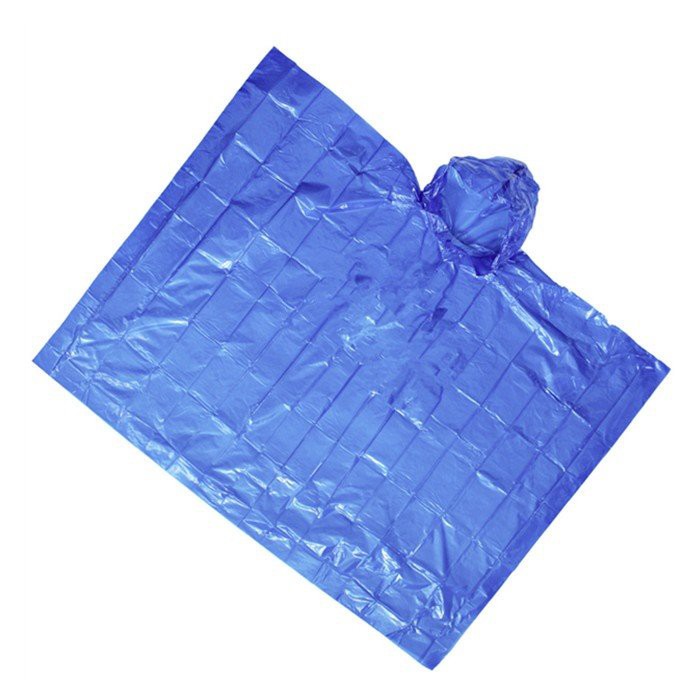
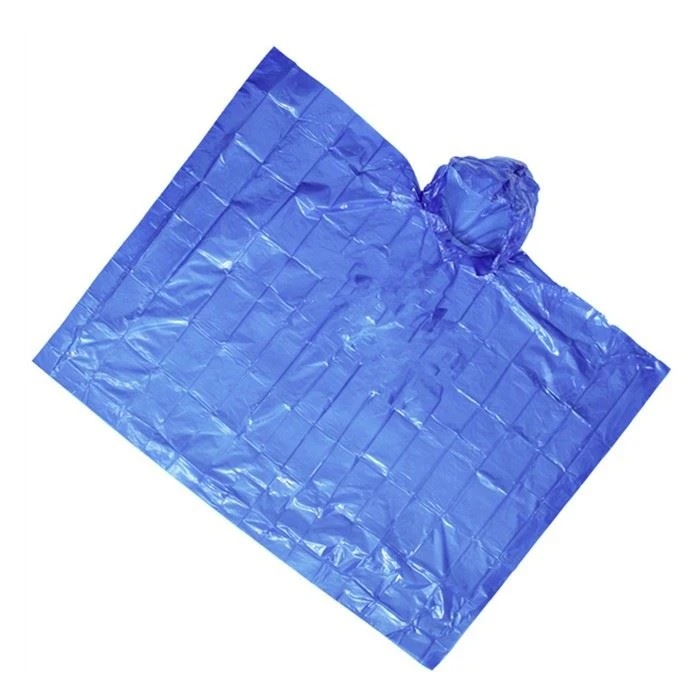
We offer a variety of disposable rain coats, each with its own unique features. For example, our PE Rain Coat is made from high-quality polyethylene material, which is lightweight, waterproof, and durable. It's perfect for everyday use, whether you're running errands or commuting to work.
On the other hand, our Emergency Raincoat is designed for those unexpected downpours. It's compact and easy to carry in your bag, so you're always prepared for rain. These rain coats are also available in different sizes, so you can find the perfect fit for you.
Conclusion
Measuring for a proper-fitting disposable rain coat doesn't have to be complicated. By following these simple steps and using the size chart, you can ensure that you get a rain coat that fits you perfectly. Remember, a well-fitting rain coat not only keeps you dry but also makes you feel comfortable and confident in any weather.
If you're interested in purchasing our disposable rain coats, we'd love to hear from you. Whether you're a retailer looking to stock our products or an individual in need of a reliable rain coat, we're here to help. Reach out to us to discuss your needs and start a purchase negotiation. We're committed to providing high-quality products at competitive prices, and we look forward to working with you.
References
- General knowledge on clothing measurement techniques.
- Experience as a disposable rain coat supplier.