

Do nylon hairnets prevent hair from tangling?
Oct 14, 2025
Do nylon hairnets prevent hair from tangling?
As a supplier of nylon hairnets, I've often been asked whether these seemingly simple accessories can truly prevent hair from tangling. It's a question that delves into the intersection of hair care science and practical functionality. In this blog, I'll explore the science behind hair tangling and evaluate the effectiveness of nylon hairnets in keeping our locks smooth and knot - free.
The Science of Hair Tangling
To understand how nylon hairnets might prevent tangling, we first need to understand why hair gets tangled in the first place. Hair is composed of a protein called keratin, and its outer layer, the cuticle, consists of overlapping scales. When these scales are damaged or lifted, they can catch on each other, leading to knots.
External factors also play a significant role in hair tangling. Friction is one of the main culprits. Activities like sleeping, exercising, or brushing hair vigorously can cause the strands to rub against each other, increasing the likelihood of tangles. Environmental factors such as humidity can also affect hair. High humidity can cause the hair shaft to absorb moisture, making it more prone to swelling and tangling.
How Nylon Hairnets Work
Nylon hairnets are made from a synthetic polymer that is known for its smoothness and strength. When you wear a nylon hairnet, it encloses your hair, reducing the amount of friction between individual strands. This containment helps to minimize the chances of the hair getting caught on itself.
The fine mesh of the nylon hairnet allows air to circulate around the hair, which can help maintain a healthy environment for the hair. Unlike some other materials, nylon doesn't absorb much moisture, so it won't add to the humidity around the hair, which could potentially lead to tangling.
Benefits of Using Nylon Hairnets for Preventing Tangles
During Sleep
One of the most common times for hair to tangle is while we sleep. As we toss and turn, our hair rubs against the pillowcase, creating friction. Wearing a nylon hairnet to bed can significantly reduce this friction. The smooth surface of the nylon allows the hair to move freely within the net, rather than getting caught on the rough fabric of the pillowcase. This can result in waking up with much less tangled hair in the morning.
During Physical Activity
When we exercise, our hair is often in constant motion. Running, jumping, or even simple movements can cause the hair to rub against our clothing or other objects. A nylon hairnet can keep the hair in place, reducing the amount of movement and thus minimizing tangling. It also keeps the hair out of our face, which can be a safety and comfort benefit during physical activity.
For Long Hair
Long hair is more prone to tangling because there is more length for the strands to get caught on each other. Nylon hairnets are especially useful for people with long hair. They can keep the long strands neatly contained, preventing them from dragging on the ground or getting caught in jewelry or other objects.
Comparing Nylon Hairnets with Other Options
While nylon hairnets are effective in preventing tangles, there are other options available in the market. For example, silk or satin pillowcases are often recommended for reducing hair tangling during sleep. These materials are smooth and have less friction than cotton pillowcases. However, they can be quite expensive.
On the other hand, nylon hairnets are relatively inexpensive and can be used in a variety of situations, not just during sleep. They are also more versatile as they can be worn during the day for activities like exercise or work.
Another option is using hair elastics or scrunchies to tie up the hair. However, these can sometimes cause breakage at the point where the hair is tied, especially if they are too tight. Nylon hairnets distribute the pressure more evenly across the hair, reducing the risk of breakage.
Real - World Experiences
Many of our customers have shared their positive experiences with using nylon hairnets to prevent hair tangling. One customer, a long - haired athlete, reported that wearing a nylon hairnet during her workouts not only kept her hair out of her face but also reduced the amount of time she spent detangling her hair after exercise.
Another customer, a busy mom, found that wearing a nylon hairnet to bed saved her a lot of time in the morning. She no longer had to spend half an hour combing out knots from her hair, which was a huge relief during her busy morning routine.
Other Products in Our Range
In addition to nylon hairnets, we also offer a variety of other hair - related products. For example, we have Women Shower Cap, which are designed to keep your hair dry during showers. These caps are made from high - quality materials that are both waterproof and comfortable to wear.
We also have Non - woven Nurse Cap and Clip Cap, which are ideal for medical professionals or anyone who needs a hygienic and practical hair covering. These caps are disposable, which makes them convenient and easy to use.

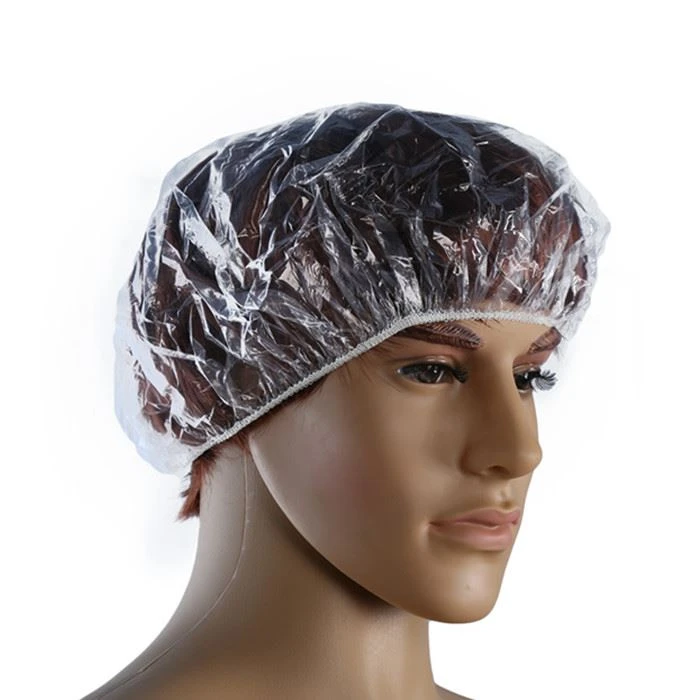
And for those who prefer a more lightweight shower cap, we offer PE Shower Cap. These caps are made from polyethylene, a material that is known for its durability and flexibility.
Conclusion
In conclusion, nylon hairnets are an effective and affordable solution for preventing hair tangling. Their ability to reduce friction, contain the hair, and maintain a healthy hair environment makes them a great choice for people of all hair types and lengths. Whether you're looking to keep your hair tangle - free during sleep, exercise, or daily activities, a nylon hairnet can be a valuable addition to your hair care routine.
If you're interested in purchasing nylon hairnets or any of our other hair - related products, we encourage you to contact us for a procurement discussion. We're committed to providing high - quality products at competitive prices, and our team is ready to assist you with all your hair covering needs.
References
- Robbins, C. R. (2012). Chemical and Physical Behavior of Human Hair. Springer.
- Hill, R. A. (2017). Hair Science: An Introduction. Wiley - Blackwell.