

Can non - woven bouffant caps be used in the ceramic industry?
Nov 11, 2025
Hey there! As a supplier of Non-woven Bouffant Caps, I often get asked if these caps can be used in the ceramic industry. Well, let's dive right into this topic and find out.
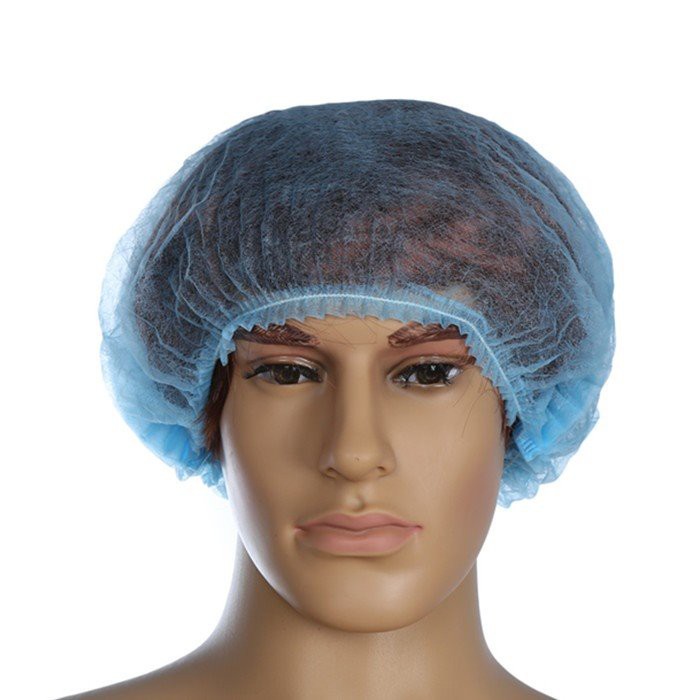
First off, let's talk about what Non-woven Bouffant Caps are. These caps are made from non-woven fabric, which is a type of material that's created through various processes like mechanical, thermal, or chemical bonding. They're known for being lightweight, breathable, and disposable. You can check out more about them here: Non-woven Bouffant Cap.
Now, when it comes to the ceramic industry, there are several factors to consider when thinking about using non-woven bouffant caps.
Protection from Dust and Debris
One of the main concerns in the ceramic industry is dealing with dust and debris. When ceramics are being shaped, fired, or finished, a significant amount of fine dust can be generated. This dust can be harmful if inhaled, and it can also settle on the products, causing defects. Non-woven bouffant caps can play a crucial role here. They can prevent hair from falling onto the ceramic pieces, which is especially important during the finishing or glazing stages. A single hair strand on a wet glaze can create an imperfection when the piece is fired. Moreover, the caps can catch some of the dust particles that might otherwise land on the worker's head and then potentially fall onto the work.
Hygiene
Hygiene is another big deal in the ceramic industry. Whether the ceramics are for household use, like plates and cups, or for decorative purposes, they need to be clean and free from contaminants. Workers wearing non-woven bouffant caps can help maintain a clean working environment. Since these caps are disposable, they can be easily replaced after each shift or when they get dirty. This reduces the risk of bacteria or other contaminants being transferred from the worker's hair to the ceramic products.
Comfort for Workers
Working in the ceramic industry can be physically demanding. Workers often have to stand for long hours, move heavy equipment, and be in environments with varying temperatures. Non-woven bouffant caps are lightweight and breathable, which means they won't add extra weight or discomfort to the workers. This allows them to focus on their tasks without being distracted by an uncomfortable headgear.
Cost-Effectiveness
From a business perspective, cost is always a consideration. Non-woven bouffant caps are relatively inexpensive compared to other types of head protection. Since they're disposable, there's no need for cleaning or maintenance. This makes them a cost-effective solution for ceramic manufacturers, especially those with a large workforce.
However, there are also some potential drawbacks to using non-woven bouffant caps in the ceramic industry.
Durability
The ceramic industry can be a bit rough on equipment and clothing. Workers might be handling sharp tools or moving heavy objects, which could potentially tear the non-woven fabric of the caps. If a cap gets torn, it might not provide the same level of protection. In such cases, a more durable alternative like a Non-woven Hood might be a better option. The hood provides more coverage and is generally made from a stronger non-woven material.
Static Electricity
Ceramic materials can be sensitive to static electricity. Non-woven fabrics can sometimes generate static, which could attract dust particles or even cause damage to the ceramic products. To mitigate this issue, some non-woven bouffant caps are treated with anti-static agents. But it's important for ceramic manufacturers to choose the right type of cap to avoid any static-related problems.

Compatibility with Other Equipment
In some cases, workers in the ceramic industry might need to wear other types of equipment, like goggles or respirators. Non-woven bouffant caps should be compatible with these other items. If the cap is too tight or too loose, it might interfere with the proper fit of the goggles or respirator, reducing their effectiveness.
Now, let's talk about some other non-woven headgear options that might also be suitable for the ceramic industry. The Non-woven Nurse Cap and Clip Cap can be a good alternative. Nurse caps are often designed to be more form-fitting, which can be beneficial if workers need to wear other equipment on their heads. Clip caps are easy to put on and take off, which can be convenient for workers who need to remove their headgear frequently.
In conclusion, non-woven bouffant caps can definitely be used in the ceramic industry. They offer protection from dust and debris, help maintain hygiene, provide comfort for workers, and are cost-effective. However, it's important to be aware of the potential drawbacks, such as durability issues, static electricity, and compatibility with other equipment. By choosing the right type of non-woven headgear and ensuring proper usage, ceramic manufacturers can make the most of these caps.
If you're in the ceramic industry and are interested in purchasing non-woven bouffant caps or other non-woven headgear, I'd love to have a chat with you. Let's discuss your specific needs and see how we can provide the best solutions for your business.
References
- General knowledge about the ceramic industry and non-woven materials.
- Industry reports on workplace safety and hygiene in the ceramic manufacturing sector.