

Can I wear a disposable rain coat for horse - riding in the rain?
Sep 16, 2025
Can I Wear a Disposable Rain Coat for Horse - riding in the Rain?
Riding a horse in the rain can be an exhilarating experience, offering a unique connection with nature and a sense of adventure. However, staying dry is crucial for both comfort and safety during such outings. One option that comes to mind is using a disposable rain coat. As a disposable rain coat supplier, I'm here to explore whether a disposable rain coat is a suitable choice for horse - riding in the rain.
The Benefits of Disposable Rain Coats for Horse - riding
1. Cost - effectiveness
Disposable rain coats are generally inexpensive. If you're not a frequent horse - rider or if you're on a tight budget, purchasing a high - end, reusable raincoat may not be the most practical option. A disposable rain coat allows you to stay dry during your occasional horse - riding trips without breaking the bank. For example, if you're just trying out horse - riding for the first time and don't want to invest a large amount of money in rain gear, a disposable rain coat can be a great solution.
2. Convenience
These rain coats are incredibly convenient. They are lightweight and easy to carry. You can simply stuff a disposable rain coat into your saddlebag or pocket before your horse - riding adventure. In case of unexpected rain, you can quickly pull it out and put it on. Unlike bulky, heavy traditional raincoats, disposable ones don't add much weight or bulk, which is important when you're trying to maintain balance and control while riding a horse.
3. Hygiene
If you're sharing riding equipment or facilities with other riders, a disposable rain coat can offer a hygienic option. You don't have to worry about cross - contamination as you can discard the rain coat after use. This is especially important in public stables or group riding events where many people may come into contact with the same surfaces.
The Limitations of Disposable Rain Coats for Horse - riding
1. Durability
One of the main drawbacks of disposable rain coats is their durability. They are designed to be used for a short period. When horse - riding, you may encounter branches, bushes, or other rough surfaces that can easily tear the thin material of a disposable rain coat. Also, the constant movement and friction while riding can cause the seams to come apart, leaving you exposed to the rain.

2. Breathability
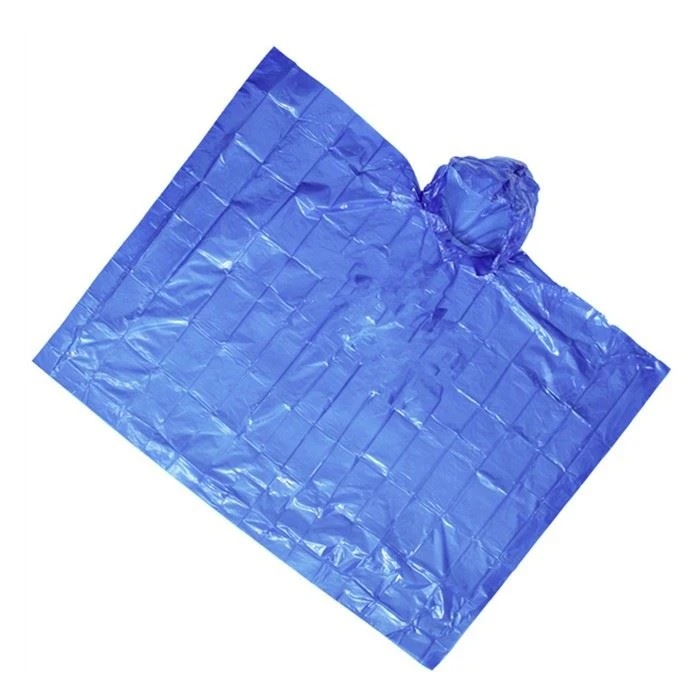
Most disposable rain coats are made of materials like polyethylene (PE). While these materials are excellent at keeping water out, they don't allow much air to pass through. When you're horse - riding, you're likely to work up a sweat. A non - breathable rain coat can trap the moisture inside, making you feel hot and uncomfortable. This can lead to a buildup of condensation, which can be just as unpleasant as getting wet from the outside.
3. Fit and Mobility
Disposable rain coats are often designed in standard sizes. They may not provide a perfect fit for everyone, especially when it comes to horse - riding. A proper fit is essential for maintaining mobility and balance while on a horse. If the rain coat is too loose, it can flap around in the wind, distracting you and potentially spooking the horse. On the other hand, if it's too tight, it can restrict your movement and make it difficult to perform riding maneuvers.
Choosing the Right Disposable Rain Coat for Horse - riding
1. Material
Look for disposable rain coats made of high - quality materials. PE Rain Coat is a popular choice as it is waterproof and relatively inexpensive. However, some manufacturers may offer improved versions with better tear - resistance or enhanced breathability. You can also consider Emergency Raincoat, which is designed to be lightweight and portable, suitable for outdoor activities like horse - riding.
2. Size and Design
Choose a rain coat that has a loose enough fit to allow for freedom of movement while riding. Look for designs with adjustable cuffs and hoods to ensure a snug fit. Some disposable rain coats come with longer tails at the back, which can provide extra protection from splashes and rain while sitting on the horse.
3. Reinforcements
To improve durability, look for disposable rain coats with reinforced seams or areas that are likely to be exposed to more wear and tear. Some manufacturers add extra layers of material at the shoulders, elbows, and knees to prevent tearing.
Tips for Using a Disposable Rain Coat While Horse - riding
1. Check the Fit Before Riding
Before you start your ride, make sure the rain coat fits properly. Walk around a bit, make some riding - like movements, and check for any restrictions or areas that may be too loose. Adjust the cuffs and hood as needed.
2. Be Careful of Your Surroundings
When riding in the rain with a disposable rain coat, be extra cautious of your surroundings. Avoid riding through thick bushes or areas with sharp branches that could tear the rain coat.
3. Layer Up
To improve comfort, consider layering a thin, breathable base layer under your disposable rain coat. This can help wick away sweat and keep you dry from the inside.
Conclusion
So, can you wear a disposable rain coat for horse - riding in the rain? The answer is yes, but with some considerations. Disposable rain coats offer cost - effectiveness, convenience, and hygiene, but they also have limitations in terms of durability, breathability, and fit. If you're an occasional rider or on a budget, a disposable rain coat can be a viable option. Just make sure to choose the right one and take proper precautions.
If you're interested in purchasing high - quality disposable rain coats for horse - riding or other outdoor activities, feel free to contact us for more information and to discuss your specific needs. We're committed to providing the best disposable rain coat solutions for our customers.
References
- Smith, J. (2018). Outdoor Gear: A Comprehensive Guide. Outdoor Publishing.
- Brown, A. (2019). Hygiene in Equestrian Facilities. Equestrian Journal.
- Green, C. (2020). The Science of Rain Gear Materials. Textile Research Institute.