

Can I reuse a disposable rain coat?
Oct 06, 2025
Can I reuse a disposable rain coat? This is a question that many of us might have pondered at some point, especially when we find ourselves caught in an unexpected downpour and reach for that convenient, lightweight disposable raincoat. As a supplier of disposable raincoats, I've encountered this question numerous times from customers, and it's a topic that warrants a detailed exploration.
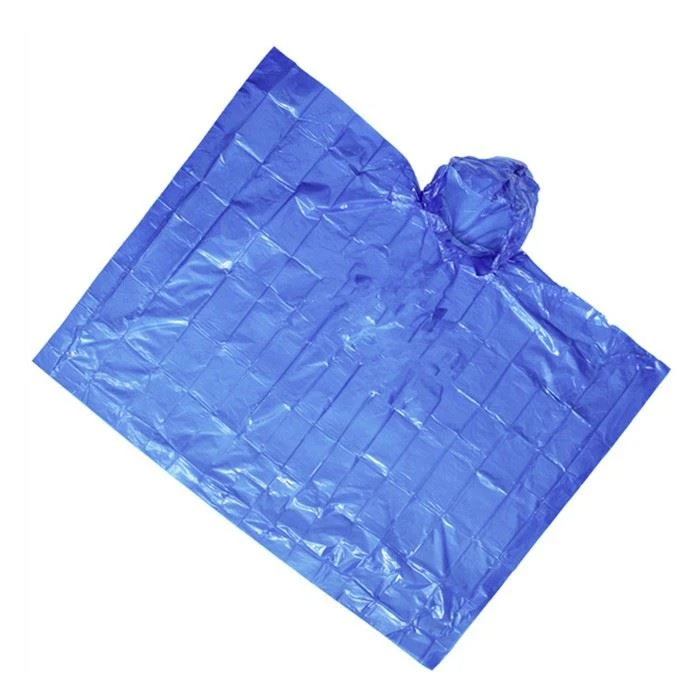
Disposable raincoats are designed with a specific purpose in mind: to provide temporary protection from the rain at a low cost. They are typically made from materials like polyethylene (PE), which is known for its waterproof properties and affordability. PE Rain Coat is a popular type of disposable raincoat that we offer, made from high - quality PE material.
The concept of disposability implies that these raincoats are meant to be used once and then discarded. However, the reality is a bit more nuanced. In some cases, reusing a disposable raincoat is possible, but it comes with several considerations.
Factors Affecting Reusability
Material Integrity
The first and most crucial factor is the material integrity of the raincoat. Disposable raincoats are often thin and can easily tear or develop holes. If the raincoat has been subjected to rough handling, such as getting caught on a sharp object or being pulled too forcefully, it's likely to have compromised integrity. Even a small tear can render the raincoat ineffective in keeping you dry during subsequent uses.
For example, if you're hiking in the woods and your disposable raincoat gets snagged on a branch, it might develop a small rip. While you might still be able to wear it, water will seep through the tear, defeating the purpose of the raincoat.
Soiling and Contamination
Another aspect to consider is soiling and contamination. If the raincoat has come into contact with dirt, mud, or other substances during its first use, it might not be suitable for reuse without proper cleaning. Cleaning a disposable raincoat can be challenging because of its delicate nature. Most disposable raincoats are not designed to withstand the rigors of a washing machine, and hand - washing might also damage the material.
Let's say you're at a music festival in the rain, and your raincoat gets covered in mud. Trying to clean this mud off without damaging the raincoat can be a difficult task. If the mud is not removed properly, it can also affect the waterproofing properties of the raincoat.
Waterproofing Degradation
Over time, the waterproofing properties of a disposable raincoat can degrade. Even if the raincoat appears to be in good condition, repeated exposure to water and environmental elements can cause the material to lose its ability to repel water effectively. This is especially true if the raincoat has been stored in a damp or humid environment between uses.
For instance, if you leave your used disposable raincoat in a wet backpack for an extended period, the moisture can break down the waterproof coating on the raincoat, reducing its effectiveness in subsequent uses.
Situations Where Reuse Might Be Feasible
Despite the challenges, there are some situations where reusing a disposable raincoat can be a practical option.
Short - Term, Light - Use Scenarios
If the raincoat has been used for a short period in light rain and has not been subjected to any significant wear and tear, it can often be reused. For example, if you quickly dash from your car to a store during a light drizzle, the raincoat is likely to be in good condition and can be used again for a similar short - term situation.
Emergency Situations
Emergency Raincoat is another type of disposable raincoat that is often used in emergency situations. In a survival or emergency scenario, where resources are limited, reusing a disposable raincoat can be a viable option. For example, if you're in a remote area and suddenly caught in a rainstorm, and you only have one disposable raincoat, you might need to reuse it until you can find a more permanent solution.

Our Recommendations as a Supplier
As a supplier of disposable raincoats, we understand that customers might want to make the most of their purchases. While we design our raincoats for single - use, we also recognize that there are situations where reusing them can be appropriate.
We recommend that customers inspect the raincoat carefully before reuse. Check for any signs of damage, such as tears or holes. If the raincoat is dirty, try to gently wipe it clean with a damp cloth, but avoid using harsh chemicals or excessive force.
If you're unsure about the reusability of a raincoat, it's best to err on the side of caution and use a new one. This ensures that you stay dry and protected during your outdoor activities.
Encouraging Responsible Use
While reusing disposable raincoats can be a way to reduce waste, it's important to remember that these products are designed with a certain lifespan in mind. As a supplier, we are committed to promoting responsible use of our products.
We encourage customers to dispose of their used disposable raincoats properly. Most disposable raincoats are made from recyclable materials, and recycling them can help reduce environmental impact. At the same time, we also offer high - quality disposable raincoats that are designed to provide reliable protection during their intended single use.
Contact Us for Your Disposable Raincoat Needs
Whether you're an individual looking for a convenient rain - protection solution or a business in need of bulk disposable raincoats, we're here to serve you. Our range of disposable raincoats, including PE Rain Coat and Emergency Raincoat, offers different options to meet your specific requirements.
If you're interested in purchasing our disposable raincoats, we invite you to contact us for more information. We can provide details on pricing, customization options, and delivery. Let's work together to ensure that you have the right rain - protection solution for your needs.
References
- "The Science of Waterproof Materials" - Journal of Materials Science
- "Environmental Impact of Disposable Products" - Environmental Science Review