

What materials are disposable beard covers made of?
May 19, 2025
As a supplier of disposable beard covers, I often get asked about the materials these essential products are made from. Understanding the materials is crucial as it directly impacts the functionality, comfort, and safety of the beard covers. In this blog post, I'll delve into the common materials used in disposable beard covers, their characteristics, and how they meet different needs.
Polypropylene (PP)
One of the most widely used materials for disposable beard covers is polypropylene (PP). Disposable PP Beard Cover offers several advantages that make it a popular choice in various industries.
Polypropylene is a thermoplastic polymer that is lightweight and breathable. This means that when a person wears a PP beard cover, they can breathe easily, reducing the discomfort that can come from wearing a covering for an extended period. The breathability also helps in preventing the build - up of moisture and heat under the beard cover, which can lead to skin irritation.
In terms of safety, polypropylene is non - toxic and hypoallergenic. It is less likely to cause allergic reactions, making it suitable for people with sensitive skin. This is particularly important in industries such as food processing, pharmaceuticals, and healthcare, where workers need to wear beard covers to prevent contamination but may have skin sensitivities.
PP beard covers are also cost - effective. The raw material is relatively inexpensive, and the manufacturing process is efficient, allowing for large - scale production at a reasonable cost. This makes them an affordable option for businesses that need to provide beard covers to a large number of employees.
Another advantage of polypropylene is its durability. It can withstand normal wear and tear during use, such as rubbing against clothing or equipment. However, it is still a disposable material, which means it can be easily discarded after use, reducing the risk of cross - contamination.
Mesh
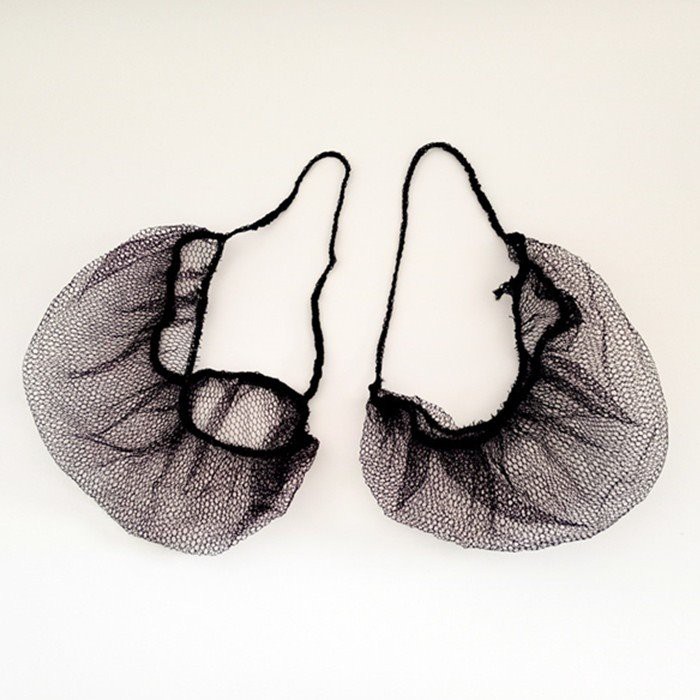
Mesh Single Elastic Beard Cover is another type of disposable beard cover, and the mesh material plays a significant role in its functionality.
Mesh materials are typically made from synthetic fibers, such as polyester or nylon. These fibers are woven or knitted to create a porous structure. The most obvious advantage of mesh beard covers is their high level of breathability. The open - weave design allows air to circulate freely, keeping the wearer's face cool and dry.
In addition to breathability, mesh beard covers are also very flexible. The elastic nature of the mesh allows it to conform to the shape of the beard and face, providing a comfortable and secure fit. This flexibility also makes them suitable for people with different beard sizes and styles.
Mesh beard covers are often used in industries where comfort is a top priority, such as in construction and manufacturing. Workers in these industries may need to wear beard covers for long hours, and the comfort provided by mesh materials can improve their overall work experience.

However, the porous nature of the mesh may not provide the same level of protection as some other materials. In industries where strict hygiene and contamination control are required, mesh beard covers may need to be used in combination with other protective equipment.
Non - woven Materials
Non - woven Beard Cover is a popular choice in many applications. Non - woven materials are made by bonding or felting fibers together rather than weaving or knitting them.
Non - woven materials offer excellent barrier properties. They can effectively block dust, dirt, and other particles from reaching the beard and face, making them ideal for use in cleanrooms, food processing plants, and other environments where hygiene is critical.
These materials are also soft and comfortable to wear. They are less likely to cause irritation to the skin compared to some rougher materials. Non - woven beard covers often have a smooth surface that gently touches the skin, reducing friction and discomfort.
In terms of cost, non - woven materials are generally affordable, especially when produced in large quantities. This makes them a practical choice for businesses that need to provide beard covers to their employees on a regular basis.
Another advantage of non - woven beard covers is their versatility. They can be easily customized in terms of size, shape, and color to meet the specific needs of different industries and users.
Comparison of Materials
Each of these materials has its own unique set of characteristics, and the choice of material depends on the specific requirements of the application.
| Material | Breathability | Protection | Comfort | Cost | Durability |
|---|---|---|---|---|---|
| Polypropylene | Good | Good | Good | Low | Moderate |
| Mesh | Excellent | Moderate | Excellent | Low | Moderate |
| Non - woven | Good | Excellent | Good | Low | Moderate |
For industries such as food processing and healthcare, where strict hygiene and contamination control are required, non - woven and polypropylene beard covers are often the preferred choices due to their good protection properties. In contrast, industries where comfort is the main concern, such as construction and some manufacturing sectors, may opt for mesh beard covers.
Conclusion
As a supplier of disposable beard covers, I understand the importance of providing high - quality products made from the right materials. Whether it's the breathability of polypropylene, the comfort of mesh, or the excellent barrier properties of non - woven materials, each type of beard cover has its place in different industries.
If you're in need of disposable beard covers for your business, I encourage you to contact us for more information. We can help you choose the right material and product based on your specific requirements. Our team is ready to assist you in making the best decision for your needs.
References
- "Polypropylene: Properties, Processing, and Applications" by George W. Ehrenstein
- "Non - Woven Materials: Technology, Applications, and Markets" by Rajiv Bhatnagar
- "Textile Science and Technology: Synthetic Fibers" by H. - K. Rouette