

What is the tensile strength of non - woven sleeve covers?
Jul 24, 2025
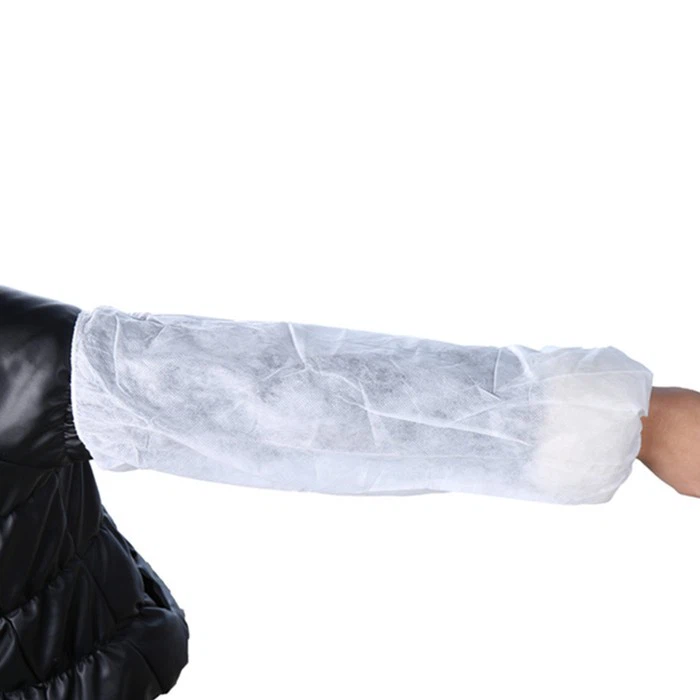
As a supplier of Non-woven Sleeve Covers, I've been frequently asked about the tensile strength of these products. Tensile strength is a crucial property that determines the durability and performance of non-woven sleeve covers in various applications. In this blog, I'll delve into what tensile strength means for non-woven sleeve covers, factors influencing it, and how it impacts their usability.
Understanding Tensile Strength
Tensile strength refers to the maximum amount of tensile (pulling) stress that a material can withstand before it breaks or fails. In the context of non-woven sleeve covers, it measures the ability of the fabric to resist tearing when subjected to a pulling force. This property is vital as non-woven sleeve covers are often used in environments where they may encounter friction, stretching, or pulling during normal use.
For instance, in industrial settings, workers may wear non-woven sleeve covers while handling equipment or materials. These sleeve covers need to have sufficient tensile strength to withstand the forces exerted during their tasks without tearing. Similarly, in the food processing industry, sleeve covers must maintain their integrity to prevent contamination, which requires adequate tensile strength.
Factors Affecting the Tensile Strength of Non-woven Sleeve Covers
Several factors influence the tensile strength of non-woven sleeve covers. Understanding these factors can help in selecting the right product for specific applications.
Material Composition
The type of fibers used in the non-woven fabric plays a significant role in determining its tensile strength. Common materials for non-woven sleeve covers include polypropylene (PP), polyethylene (PE), and blends of different fibers.
PP Nonwoven Sleeve Covers are known for their relatively high tensile strength. Polypropylene fibers are strong and have good resistance to abrasion. They can withstand moderate pulling forces without tearing easily. You can find more information about PP Nonwoven Sleeve Cover on our website.
On the other hand, PE Sleeve Cover made from polyethylene fibers may have different tensile properties. Polyethylene is a more flexible material, and while it offers good protection against moisture and some chemicals, its tensile strength may be lower compared to polypropylene in certain applications.
Manufacturing Process
The way the non-woven fabric is manufactured also affects its tensile strength. There are different methods of producing non-woven fabrics, such as spunbonding, meltblowing, and needle punching.
Spunbonded non-woven fabrics generally have higher tensile strength compared to meltblown fabrics. In the spunbonding process, continuous filaments are extruded and laid down in a random pattern, which results in a more coherent and stronger fabric structure. Meltblown fabrics, on the other hand, are made from fine fibers that are randomly distributed, and they may have lower tensile strength but better filtration properties.
Needle punching is another method that can enhance the tensile strength of non-woven fabrics. This process involves passing barbed needles through the fabric to entangle the fibers, creating a more robust structure.
Fabric Weight
The weight of the non-woven fabric, usually measured in grams per square meter (gsm), is directly related to its tensile strength. Generally, heavier fabrics have higher tensile strength. A higher fabric weight means there are more fibers per unit area, which can better resist pulling forces.
For example, a 60 gsm non-woven sleeve cover will typically have a higher tensile strength than a 30 gsm cover. However, it's important to note that increasing the fabric weight also increases the cost and may affect the comfort and flexibility of the sleeve cover.
Measuring Tensile Strength
Tensile strength is typically measured using a tensile testing machine. The test involves clamping a sample of the non-woven fabric at both ends and applying a gradually increasing pulling force until the fabric breaks. The maximum force applied before the breakage is recorded as the tensile strength.
The results of tensile strength tests are usually reported in units of force per unit width, such as Newtons per centimeter (N/cm). These values can be used to compare different non-woven sleeve cover products and select the one that meets the specific requirements of an application.
Importance of Tensile Strength in Different Applications
The tensile strength of non-woven sleeve covers is crucial in various industries and applications.
Industrial Applications
In industrial settings, workers are often exposed to rough surfaces, sharp edges, and mechanical forces. Non-woven sleeve covers with high tensile strength can protect their arms from cuts, abrasions, and chemical splashes. For example, in the automotive manufacturing industry, workers handling metal parts or using power tools need sleeve covers that can withstand the pulling and rubbing forces during their tasks.
Food Processing Industry
In the food processing industry, non-woven sleeve covers must meet strict hygiene standards. They need to have sufficient tensile strength to prevent tearing and shedding of fibers, which could contaminate the food products. A sleeve cover with low tensile strength may tear easily, exposing the worker's skin and increasing the risk of contamination.

Medical and Healthcare
In medical and healthcare settings, non-woven sleeve covers are used to protect healthcare workers from contact with infectious materials. These covers need to have adequate tensile strength to maintain their integrity during patient care procedures, such as dressing changes or injections.
Selecting the Right Non-woven Sleeve Cover Based on Tensile Strength
When choosing a non-woven sleeve cover, it's important to consider the specific requirements of the application. Here are some guidelines to help you make the right decision:
- Assess the Application Environment: Determine the level of stress and pulling forces that the sleeve cover will be exposed to. For high-stress applications, such as industrial manufacturing, choose a sleeve cover with high tensile strength.
- Consider the Material: Based on the application, select the appropriate material. PP Nonwoven Sleeve Covers are a good choice for applications that require high tensile strength and abrasion resistance. Non-woven Sleeve Cover made from other materials may be more suitable for applications with different requirements, such as moisture resistance or filtration.
- Evaluate the Fabric Weight: Balance the need for tensile strength with the comfort and flexibility of the sleeve cover. A heavier fabric may have higher tensile strength but may also be less comfortable to wear for extended periods.
Conclusion
Tensile strength is a critical property of non-woven sleeve covers that determines their durability and performance in various applications. As a supplier of non-woven sleeve covers, we understand the importance of providing products with the right tensile strength to meet our customers' needs.
If you're in the market for non-woven sleeve covers and need assistance in selecting the right product based on tensile strength or other properties, please don't hesitate to contact us. We're here to help you make an informed decision and ensure that you get the best non-woven sleeve covers for your specific requirements.
References
- ASTM D5034 - Standard Test Method for Breaking Strength and Elongation of Textile Fabrics (Grab Test)
- ISO 13934 - Textiles - Tensile properties of fabrics - Part 1: Determination of maximum force and elongation at maximum force using the strip method