

How to remove stains from non - woven sleeve covers?
Oct 27, 2025
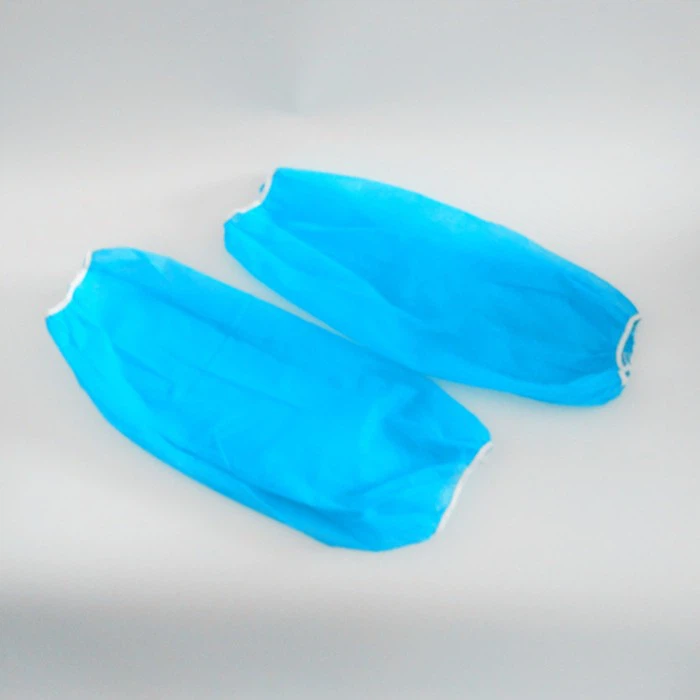
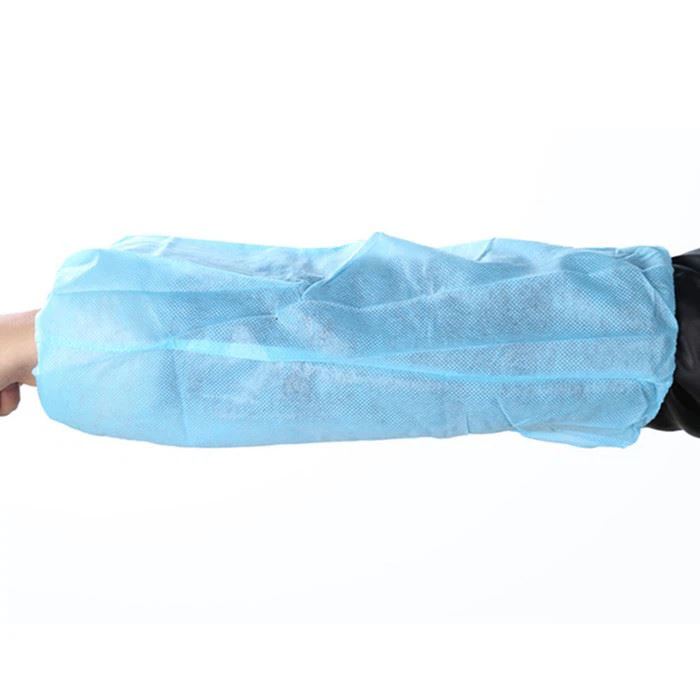
As a supplier of Non-woven Sleeve Covers, I often receive inquiries from customers about how to remove stains from these practical and widely used products. Non-woven sleeve covers, such as PP Nonwoven Sleeve Cover and those made from other non-woven materials, are commonly used in various industries, including food processing, healthcare, and manufacturing. They offer protection for the arms, but over time, they can accumulate stains that may affect their appearance and functionality. In this blog, I will share some effective methods for removing stains from non-woven sleeve covers.
Understanding Non-woven Materials
Before delving into stain removal techniques, it's essential to understand the nature of non-woven materials. Non-woven fabrics are made by bonding or interlocking fibers together rather than weaving them. This construction gives non-woven sleeve covers their unique properties, such as breathability, flexibility, and cost-effectiveness. However, it also means that they may require special care when it comes to stain removal.
Common Types of Stains and Their Causes
Non-woven sleeve covers can encounter a variety of stains, each with its own cause. Here are some of the most common types:
- Oil and Grease Stains: These stains often occur in industrial settings, such as automotive repair shops or kitchens. Oil and grease can adhere to the non-woven fibers, making them difficult to remove.
- Food Stains: In the food processing industry, sleeve covers can get stained with various food substances, such as sauces, juices, and fats. These stains can be particularly stubborn if not treated promptly.
- Dirt and Dust Stains: Working in dirty environments, such as construction sites or warehouses, can result in dirt and dust accumulating on the sleeve covers. These stains are usually visible and can make the sleeve covers look unkempt.
- Ink and Chemical Stains: In office or laboratory settings, sleeve covers may come into contact with ink, chemicals, or other substances that can leave stains. These stains can be challenging to remove, especially if they have set in.
Stain Removal Methods
1. Pre-treatment
Before attempting any stain removal method, it's important to pre-treat the stained area. This involves gently blotting the stain with a clean cloth or paper towel to remove any excess liquid or debris. Avoid rubbing the stain, as this can spread it and make it more difficult to remove.
2. Using Mild Detergent
For most common stains, a mild detergent can be an effective cleaning solution. Fill a basin or sink with warm water and add a small amount of mild detergent. Gently agitate the water to create suds. Submerge the stained sleeve cover in the soapy water and let it soak for 15-20 minutes. After soaking, gently rub the stained area with your fingers or a soft brush. Rinse the sleeve cover thoroughly with clean water to remove the detergent.
3. Removing Oil and Grease Stains
Oil and grease stains can be more challenging to remove than other types of stains. One effective method is to use a degreaser or dish soap. Apply a small amount of degreaser or dish soap directly to the stained area and let it sit for a few minutes. Gently rub the stain with a soft brush or your fingers. Rinse the sleeve cover thoroughly with clean water. If the stain persists, you can try using a commercial stain remover specifically designed for oil and grease stains.
4. Treating Food Stains
Food stains can be removed using a combination of mild detergent and warm water. Follow the pre-treatment steps mentioned above, and then soak the stained sleeve cover in a solution of mild detergent and warm water for 15-20 minutes. Gently rub the stained area with a soft brush or your fingers. Rinse the sleeve cover thoroughly with clean water. If the stain is still visible, you can try using a stain remover specifically designed for food stains.
5. Removing Dirt and Dust Stains
Dirt and dust stains can usually be removed by simply washing the sleeve cover in a washing machine on a gentle cycle. Use a mild detergent and cold water. Avoid using hot water, as this can shrink or damage the non-woven fabric. After washing, hang the sleeve cover to dry.
6. Dealing with Ink and Chemical Stains
Ink and chemical stains can be more difficult to remove than other types of stains. If you encounter an ink or chemical stain, it's important to act quickly. Blot the stain with a clean cloth or paper towel to remove any excess liquid. Then, apply a small amount of rubbing alcohol or acetone to a clean cloth and gently dab the stain. Avoid rubbing the stain, as this can spread it and make it more difficult to remove. Rinse the sleeve cover thoroughly with clean water. If the stain persists, you may need to consult a professional cleaner.
Tips for Preventing Stains
While it's important to know how to remove stains from non-woven sleeve covers, it's even better to prevent them from occurring in the first place. Here are some tips for preventing stains:
- Wear Protective Gear: In environments where stains are likely to occur, such as kitchens or industrial settings, wear additional protective gear, such as gloves or aprons, to minimize the risk of staining the sleeve covers.
- Change Sleeve Covers Regularly: If you work in a dirty or high-risk environment, change your sleeve covers regularly to prevent stains from accumulating.
- Follow Proper Cleaning Procedures: After each use, follow the proper cleaning procedures for your sleeve covers to keep them clean and stain-free.
- Store Sleeve Covers Properly: When not in use, store your sleeve covers in a clean, dry place to prevent them from getting dirty or stained.
Conclusion
Removing stains from non-woven sleeve covers requires a combination of pre-treatment, appropriate cleaning methods, and patience. By following the tips and techniques outlined in this blog, you can effectively remove most common stains from your sleeve covers and keep them looking clean and fresh. As a supplier of Non-woven Sleeve Cover, I am committed to providing high-quality products and helpful information to our customers. If you have any questions or need further assistance with stain removal or any other aspect of our products, please feel free to contact us. We look forward to serving you and helping you find the right solutions for your needs.
References
- "Non-woven Fabrics: Properties and Applications." Journal of Textile Science and Engineering.
- "Stain Removal Guide for Textiles." Textile Research Journal.
- "Cleaning and Maintenance of Disposable Protective Clothing." Occupational Safety and Health Administration.