

Do PE sleeve covers protect against UV rays?
Jan 12, 2026
Hey there! As a supplier of PE Sleeve Covers, I often get asked this question: "Do PE sleeve covers protect against UV rays?" Let's dig into this topic and find out the truth.
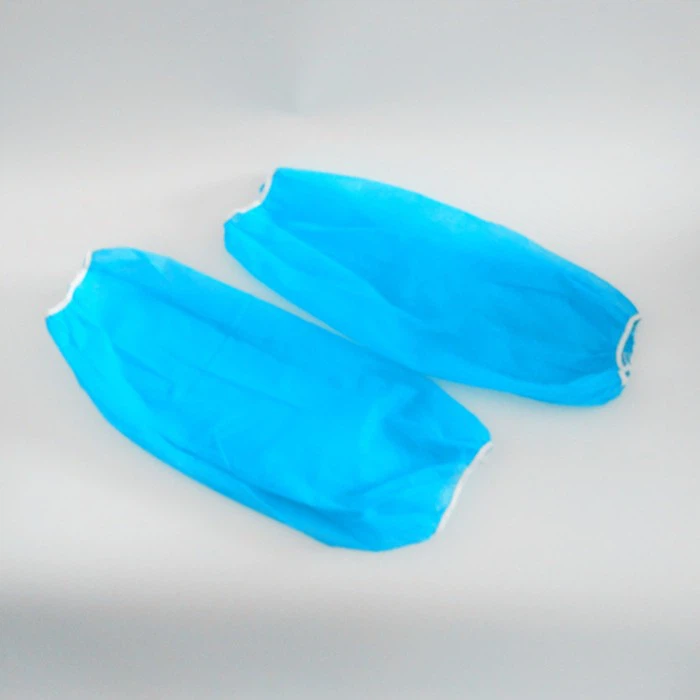
First off, let's understand what PE sleeve covers are. PE stands for polyethylene, a type of plastic that's commonly used to make all sorts of disposable products. Our PE Sleeve Cover is light - weight, flexible, and inexpensive, which makes it a popular choice in many industries. You can also check out our Non - woven Sleeve Cover and Disposable Polyethylene Sleeve Cover for different options.
Now, let's talk about UV rays. UV, or ultraviolet, rays are part of the sun's radiation. There are three types: UVA, UVB, and UVC. UVC rays are mostly absorbed by the Earth's atmosphere, so we don't have to worry too much about them. But UVA and UVB rays can reach the Earth's surface and cause various problems. UVA rays can penetrate deep into the skin, leading to premature aging, wrinkles, and even skin cancer in the long run. UVB rays are responsible for sunburns and also play a role in skin cancer development.
So, can PE sleeve covers protect us from these harmful UV rays? Well, the short answer is: it depends.
PE itself doesn't have inherent strong UV - blocking properties. Polyethylene is a hydrocarbon polymer, and its molecular structure doesn't absorb UV rays effectively on its own. When sunlight hits a regular PE sleeve cover, a significant amount of UV rays can pass through it.
However, there are ways to enhance the UV - protection capabilities of PE sleeve covers. One common method is to add UV stabilizers or absorbers during the manufacturing process. These additives work by either absorbing the UV rays and converting them into heat, which is then dissipated, or by reflecting the UV rays away from the sleeve cover.
When UV stabilizers are added, the PE sleeve cover can offer some level of protection. But how much protection? It's hard to give a one - size - fits - all answer. The level of UV protection depends on several factors.
The first factor is the concentration of the UV stabilizers. If a high amount of stabilizers is added, the sleeve cover will block more UV rays. But there's a limit. Adding too much stabilizer can affect the physical properties of the PE, such as its flexibility and strength. So, manufacturers have to find a balance between UV protection and maintaining the quality of the sleeve cover.
The thickness of the PE sleeve cover also matters. Thicker covers generally block more UV rays than thinner ones. A thicker layer of polyethylene provides more material for the UV rays to interact with, increasing the chances of absorption or reflection.

Another important factor is the duration of exposure. Even if a PE sleeve cover with UV stabilizers offers good protection initially, over time, the effectiveness of the stabilizers can degrade. Prolonged exposure to sunlight can break down the chemical structure of the stabilizers, reducing their ability to block UV rays.
In some industries, like agriculture, workers are often exposed to the sun for long periods. In such cases, if they rely solely on regular PE sleeve covers without proper UV protection, they may still be at risk of UV - related skin damage. But if they use PE sleeve covers with high - quality UV stabilizers and appropriate thickness, it can significantly reduce their exposure to harmful UV rays.
Let's compare PE sleeve covers with other materials in terms of UV protection. For example, some natural fibers like cotton can offer a certain level of UV protection. A tightly woven cotton fabric can block a fair amount of UV rays. However, cotton is less durable and more prone to getting dirty and wet compared to PE. Also, cotton doesn't dry as quickly as PE, which can be a drawback in some working environments.
On the other hand, there are also high - tech synthetic materials designed specifically for UV protection. These materials often have advanced UV - blocking mechanisms and can offer excellent protection. But they are usually more expensive than PE sleeve covers.
So, if cost is a major concern and you need a disposable option that can provide some level of UV protection, our Disposable Polyethylene Sleeve Cover with added UV stabilizers can be a good choice.
In outdoor industries such as construction, gardening, and fishing, where workers are exposed to the sun but also need a practical and affordable solution, PE sleeve covers can play a role. They can be easily worn and discarded after use, which is very convenient.
If you're an employer in these industries, providing your workers with PE sleeve covers with UV protection can be a part of your overall sun - safety strategy. It shows that you care about their well - being and can help reduce the risk of work - related UV - induced health problems.
To sum it up, regular PE sleeve covers don't offer strong UV protection. But PE sleeve covers with added UV stabilizers can provide some level of protection against harmful UV rays. The level of protection depends on factors like the concentration of stabilizers, the thickness of the cover, and the duration of exposure.
If you're interested in our PE sleeve covers and want to know more about their UV - protection features, or if you have any specific requirements for your business, don't hesitate to reach out. We're always happy to have a chat and discuss how our products can meet your needs. Whether you're looking for a one - time purchase or a long - term supply, we're here to assist you. Let's work together to find the best solution for your UV - protection needs.
References
- "Polymer Science and Technology" by Morton M. Denn.
- "Ultraviolet Radiation and Skin Cancer" research papers from the World Health Organization.
- Industry reports on disposable protective clothing materials.