

Do nylon hairnets fade easily?
Sep 25, 2025
Nylon hairnets are a staple in various industries and daily use scenarios, from the food service industry to personal grooming. One common concern among users and potential buyers is whether nylon hairnets fade easily. As a nylon hairnets supplier, I've encountered this question numerous times, and I'm here to shed some light on this topic based on scientific knowledge and real - world experience.

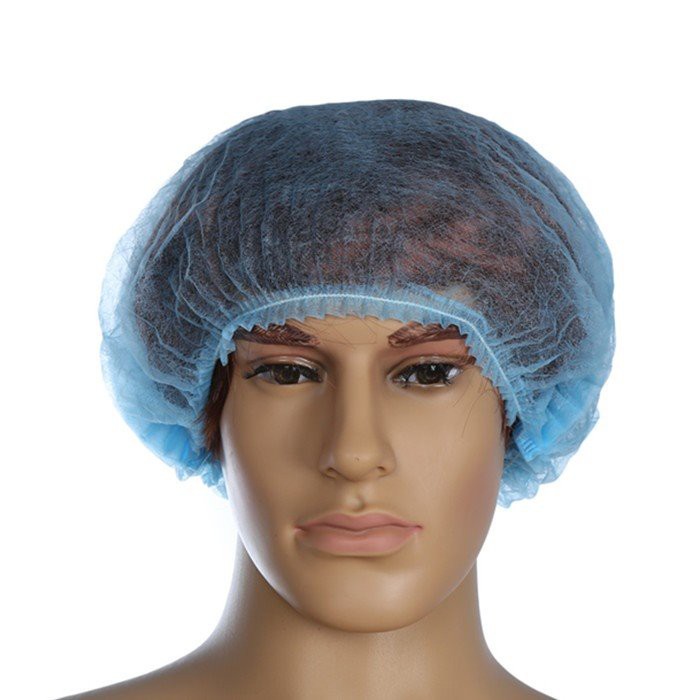
Composition and Structure of Nylon Hairnets
Nylon is a synthetic polymer, typically made through a chemical process that involves the reaction of diamines and dicarboxylic acids. The resulting polymer chains are long and strong, which gives nylon its characteristic durability. When it comes to hairnets, the nylon is usually spun into fine threads and then woven into a net - like structure.
The color of nylon hairnets is added during the manufacturing process. Pigments or dyes are incorporated into the nylon polymer either during the polymerization stage or through a subsequent dyeing process. The choice of colorants and the method of application can significantly affect the hairnet's resistance to fading.
Factors Affecting Fading of Nylon Hairnets
Exposure to Light
One of the primary factors that can cause nylon hairnets to fade is exposure to light, especially ultraviolet (UV) light. UV rays have high energy and can break the chemical bonds in the colorants used in the hairnets. When these bonds are broken, the colorants lose their ability to absorb and reflect light in the same way, resulting in a change in color.
For example, if nylon hairnets are stored near a window where they are exposed to direct sunlight for long periods, the UV rays from the sun can gradually cause the colors to fade. In industrial settings, such as in food processing plants or salons, fluorescent lights can also emit a small amount of UV light over time, which may contribute to fading.
Chemical Exposure
Nylon hairnets may come into contact with various chemicals, which can also affect their color. Harsh cleaning agents, such as bleach or strong detergents, can react with the colorants in the hairnets. Bleach, for instance, is a powerful oxidizing agent that can break down the chemical structure of the dyes, leading to color loss.
In the food service industry, hairnets may be exposed to acidic or alkaline substances from food products. These substances can also have a chemical reaction with the colorants in the hairnets, causing fading. Similarly, in beauty salons, hairnets may come into contact with hair dyes, perms, or other chemical treatments, which can potentially damage the color of the hairnets.
Friction and Abrasion
Frequent rubbing and abrasion can also cause the color of nylon hairnets to fade. When the hairnets are worn, they come into contact with hair, skin, and other surfaces. The friction between the hairnet and these surfaces can gradually wear away the outer layer of the hairnet, including the colorants.
In industrial environments where workers are constantly moving and the hairnets are subject to more movement and contact, the rate of abrasion - related fading may be higher. For example, in a manufacturing plant where workers are handling equipment or materials, the hairnets may rub against machinery or work surfaces, accelerating the fading process.
How to Minimize Fading
As a nylon hairnets supplier, I often provide customers with tips on how to minimize fading and extend the lifespan of their hairnets.
Proper Storage
To reduce the impact of light exposure, it's recommended to store nylon hairnets in a dark, cool place. A closet or a storage cabinet away from direct sunlight is ideal. If possible, use opaque containers to store the hairnets to block out any light.
Gentle Cleaning
When cleaning nylon hairnets, it's important to use mild detergents and avoid harsh chemicals. Hand - washing the hairnets in lukewarm water with a gentle detergent is usually sufficient. Avoid using bleach or other strong cleaning agents, as they can cause significant fading. After washing, rinse the hairnets thoroughly to remove all traces of the detergent.
Reducing Friction
To minimize friction - related fading, make sure the hairnets fit properly. A well - fitting hairnet will move less on the head and come into less contact with other surfaces. Additionally, using a hairnet liner or a soft - lined cap underneath the nylon hairnet can help reduce friction between the hairnet and the hair or skin.
Our Product's Resistance to Fading
At our company, we take great care in manufacturing nylon hairnets that are resistant to fading. We use high - quality colorants that are specifically formulated to withstand UV light and chemical exposure. Our manufacturing process ensures that the colorants are evenly distributed throughout the nylon fibers, providing long - lasting color.
Before releasing our products to the market, we conduct extensive testing to evaluate their colorfastness. We expose the hairnets to simulated sunlight, chemicals, and friction to ensure that they meet our high standards of quality. As a result, our nylon hairnets are known for their excellent resistance to fading, even under challenging conditions.
Related Products
In addition to nylon hairnets, we also offer a range of other disposable caps, such as Non - woven Doctor Cap, Women Shower Cap, and Non - woven Nurse Cap and Clip Cap. These products are also manufactured with high - quality materials and are designed to meet the needs of different industries and consumers.
Contact for Purchase
If you're interested in purchasing our nylon hairnets or any of our other disposable caps, we'd be more than happy to discuss your requirements. Whether you're a small business or a large corporation, we can provide you with the right products at competitive prices. Contact us today to start the procurement negotiation process and find the best solutions for your needs.
References
- "Polymer Chemistry: An Introduction" by Malcolm P. Stevens. This book provides in - depth knowledge about the chemical structure and properties of polymers, including nylon.
- "Color Science: Concepts and Methods, Quantitative Data and Formulae" by Günter Wyszecki and W. S. Stiles. It offers valuable information on the science of color and how it can be affected by various factors such as light and chemicals.