

Do nylon hairnets change color over time?
Dec 02, 2025
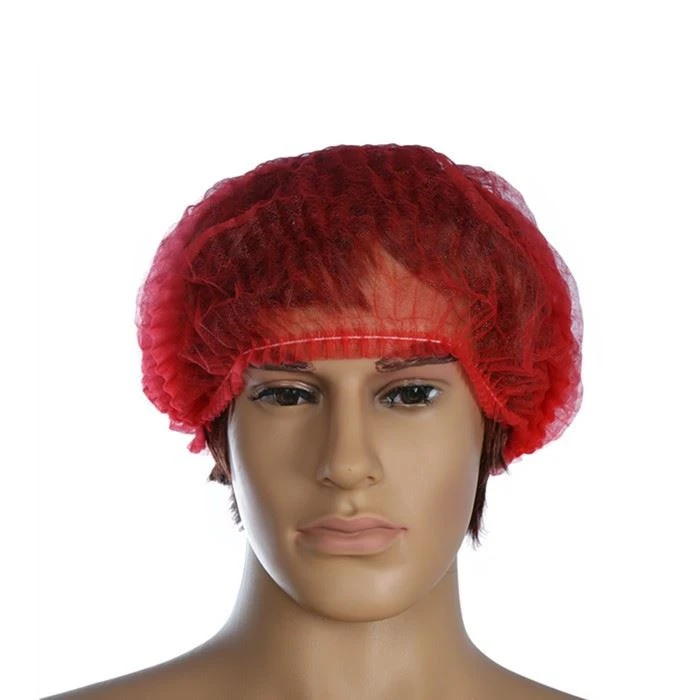
Over the years, as a dedicated supplier of nylon hairnets, I've encountered numerous inquiries from customers regarding the durability and long - term performance of our products. One question that frequently surfaces is, "Do nylon hairnets change color over time?" In this blog post, I'll delve into the science behind nylon, explore the factors that can cause color changes, and share some insights on how to maintain the integrity of your nylon hairnets.
Understanding Nylon
Nylon is a synthetic polymer that was first developed in the 1930s. It's known for its strength, elasticity, and resistance to abrasion, making it an ideal material for a wide range of applications, including hairnets. Nylon hairnets are popular in various industries, such as food processing, healthcare, and beauty, due to their ability to keep hair contained and prevent contamination.
The color of nylon hairnets is typically achieved through a process called dyeing. During this process, dyes are added to the nylon fibers, giving them their desired hue. There are two main types of dyes used in nylon dyeing: acid dyes and disperse dyes. Acid dyes are commonly used for nylon because they have a strong affinity for the fiber, resulting in bright and long - lasting colors. Disperse dyes, on the other hand, are used for lighter shades and are less likely to bleed.

Factors That Can Cause Color Changes
Exposure to Sunlight
One of the most common factors that can cause nylon hairnets to change color is exposure to sunlight. Ultraviolet (UV) rays from the sun can break down the chemical bonds in the dyes, causing them to fade over time. This process is known as photodegradation. The intensity and duration of sunlight exposure play a significant role in how quickly the color will fade. For example, hairnets that are left outside in direct sunlight for extended periods are more likely to experience color changes than those that are stored indoors.
Chemical Exposure
Nylon hairnets can also be affected by exposure to chemicals. Harsh cleaning agents, such as bleach and strong detergents, can react with the dyes in the nylon fibers, causing them to change color or fade. In addition, certain chemicals used in industrial settings, such as solvents and acids, can have a similar effect. It's important to use gentle cleaning products and avoid exposing nylon hairnets to chemicals that are not recommended for use on synthetic materials.
Heat and Humidity
Extreme temperatures and high humidity levels can also impact the color of nylon hairnets. Heat can cause the nylon fibers to expand, which may lead to the dyes bleeding or fading. High humidity can create a moist environment that promotes the growth of mold and mildew, which can stain the hairnets and cause discoloration. It's best to store nylon hairnets in a cool, dry place to prevent these issues.
Friction and Abrasion
Frequent rubbing or friction against other surfaces can cause the dyes in nylon hairnets to wear off. This is especially true if the hairnets are used in high - activity environments or if they come into contact with rough materials. Over time, the constant abrasion can lead to a loss of color and a dull appearance.
Preventing Color Changes
Proper Storage
To prevent color changes in nylon hairnets, it's important to store them properly. Keep them in a cool, dry place away from direct sunlight and heat sources. You can also store them in a sealed container or plastic bag to protect them from dust, moisture, and chemicals.
Gentle Cleaning
When cleaning nylon hairnets, use a mild detergent and lukewarm water. Avoid using harsh chemicals or abrasive scrubbers, as these can damage the fibers and cause color changes. Gently hand - wash the hairnets and rinse them thoroughly to remove all traces of detergent. Allow them to air dry completely before storing them.
Limit Exposure to Harsh Conditions
Try to limit the exposure of nylon hairnets to harsh conditions, such as direct sunlight, extreme temperatures, and chemicals. If you need to use the hairnets in a high - risk environment, consider using a protective cover or changing them more frequently to minimize the damage.
Our Product Range
As a supplier of nylon hairnets, we offer a wide range of products to meet the diverse needs of our customers. In addition to our standard nylon hairnets, we also provide other types of disposable caps, such as Women Shower Cap, Non - woven Bouffant Cap, and Polypropylene Nurse Cap. These caps are made from high - quality materials and are designed to provide maximum comfort and protection.
Conclusion
In conclusion, while nylon hairnets are generally durable and long - lasting, they can change color over time due to various factors, such as sunlight exposure, chemical exposure, heat, humidity, and friction. By understanding these factors and taking appropriate preventive measures, you can extend the lifespan of your nylon hairnets and keep them looking their best.
If you're interested in purchasing our nylon hairnets or any of our other disposable caps, we'd love to hear from you. We're committed to providing high - quality products and excellent customer service. Contact us today to discuss your specific requirements and start a procurement negotiation.
References
- "Nylon: Properties, Processing, and Applications" by John A. Brydson
- "Textile Dyeing and Finishing" by Shishir Kumar Behera