

Do non - woven sleeve covers have a good flexibility?
Jul 10, 2025
Hey there! As a supplier of Non-woven Sleeve Covers, I often get asked about the flexibility of these nifty products. So, I thought I'd take a deep dive into the topic and share my insights with you all.
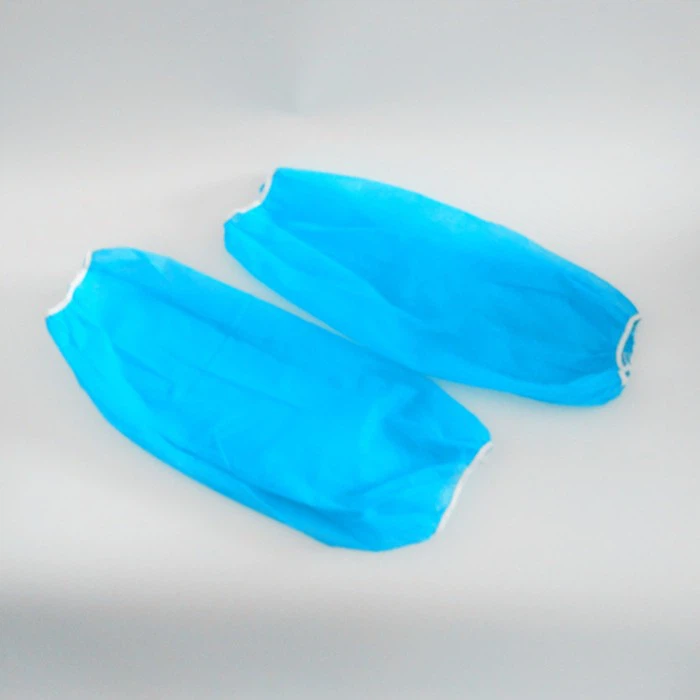
First off, let's talk about what non-woven sleeve covers are. Non-woven sleeve covers are made from non-woven fabrics, which are created by bonding or felting fibers together rather than weaving them. This manufacturing process gives non-woven materials some unique properties, and flexibility is one of them.
What Makes Flexibility Important?
Flexibility is a crucial factor when it comes to sleeve covers. Think about it – if you're wearing sleeve covers, you want them to move with you, not restrict your movements. Whether you're working in a lab, a food processing plant, or just doing some household chores, you need sleeve covers that can bend, stretch, and twist without tearing or coming off.
In a work environment, especially one that requires a lot of manual dexterity, inflexible sleeve covers can be a real pain. They can limit your range of motion, making tasks more difficult and potentially increasing the risk of accidents. On the other hand, flexible sleeve covers allow you to work freely and comfortably, which can improve productivity and safety.
The Flexibility of Non-woven Sleeve Covers
Non-woven sleeve covers generally have excellent flexibility. The non-woven fabric used in these covers is designed to be soft and pliable. It can easily conform to the shape of your arm and move with your body as you go about your day.
One of the reasons non-woven materials are so flexible is their structure. The fibers in non-woven fabrics are randomly arranged, which gives them a lot of give. When you bend your arm, the fibers can shift and move without putting too much stress on the fabric. This means that non-woven sleeve covers can stretch and flex without losing their shape or integrity.
Another advantage of non-woven sleeve covers is that they are often lightweight. This lightness contributes to their flexibility because they don't add a lot of bulk or weight to your arms. You won't even feel like you're wearing them most of the time, which is great for long periods of use.
Comparing with Other Types of Sleeve Covers
Let's compare non-woven sleeve covers with some other popular types of sleeve covers, like PE Sleeve Cover and Disposable Polyethylene Sleeve Cover.
PE sleeve covers are made from polyethylene, a plastic material. While they are often very durable and waterproof, they can be less flexible than non-woven sleeve covers. Polyethylene is a more rigid material, and it doesn't stretch as easily as non-woven fabric. This can make PE sleeve covers feel stiff and restrictive, especially if you need to make a lot of arm movements.
Disposable polyethylene sleeve covers also have similar issues. They are designed to be disposable, which means they are usually thinner and less durable than some other types of sleeve covers. However, their polyethylene material still makes them less flexible compared to non-woven options. Non-woven sleeve covers can provide a better balance between flexibility and durability, making them a great choice for many applications.
Real-world Applications
Non-woven sleeve covers are used in a wide range of industries because of their flexibility. In the healthcare industry, for example, healthcare workers need to be able to move their arms freely while performing various tasks, such as taking blood samples or assisting patients. Non-woven sleeve covers allow them to do this comfortably while also providing a barrier against contaminants.
In the food processing industry, workers need sleeve covers that can withstand constant movement and bending. Non-woven sleeve covers are perfect for this because they won't tear or come off easily, even during rigorous activities. They also meet the strict hygiene standards required in food processing environments.
In the manufacturing industry, where workers often use their hands and arms to operate machinery or assemble products, flexible sleeve covers are essential. Non-woven sleeve covers can protect workers' arms from dust, debris, and minor abrasions without getting in the way of their work.

Factors Affecting Flexibility
While non-woven sleeve covers generally have good flexibility, there are a few factors that can affect their flexibility. The quality of the non-woven fabric is one of the most important factors. Higher-quality non-woven fabrics are usually more flexible and durable. They are made from better fibers and have a more uniform structure, which allows them to stretch and bend more easily.
The thickness of the non-woven fabric also plays a role. Thicker fabrics may be less flexible than thinner ones because they have more fibers and are more rigid. However, thicker fabrics may also be more durable and provide better protection. So, it's a matter of finding the right balance between flexibility and protection based on your specific needs.
The way the sleeve covers are designed can also affect their flexibility. Some sleeve covers have elastic cuffs, which can help keep them in place but may also limit flexibility to some extent. On the other hand, sleeve covers with a looser fit may be more flexible but may not stay on as well.
Our Non-woven Sleeve Covers
As a supplier of Non-woven Sleeve Cover, we take pride in offering high-quality products with excellent flexibility. Our non-woven sleeve covers are made from premium non-woven fabrics that are carefully selected for their softness, pliability, and durability.
We offer a variety of styles and sizes to meet the different needs of our customers. Whether you need a tight-fitting sleeve cover for a more precise job or a looser one for general use, we've got you covered. Our sleeve covers are also designed with your comfort in mind. We use elastic cuffs that are just tight enough to stay in place but not so tight that they restrict your movement.
Conclusion
In conclusion, non-woven sleeve covers do have a good flexibility. Their non-woven fabric construction, lightweight design, and ability to conform to your arm make them a great choice for a wide range of applications. Compared to other types of sleeve covers, such as PE and disposable polyethylene sleeve covers, non-woven sleeve covers offer a better balance between flexibility and durability.
If you're in the market for sleeve covers that can move with you and provide comfortable protection, then non-woven sleeve covers are definitely worth considering. Whether you're in the healthcare, food processing, manufacturing, or any other industry, our non-woven sleeve covers can meet your needs.
If you're interested in learning more about our non-woven sleeve covers or would like to place an order, feel free to reach out. We're always happy to help you find the right product for your specific requirements. Let's start a conversation and see how we can work together to meet your sleeve cover needs.
References
- "Non-woven Materials: Properties and Applications" - A comprehensive guide on non-woven materials and their uses.
- "Textile Science and Technology" - A textbook that provides in-depth knowledge about different types of fabrics, including non-woven fabrics.
- Industry reports on the use of sleeve covers in various sectors, which highlight the importance of flexibility in sleeve cover performance.