

Do non - woven bouffant caps have a good stretchability?
Nov 04, 2025
Hey there! As a supplier of Non - woven Bouffant Caps, I often get asked about the stretchability of these caps. So, today I'm gonna dig deep into this topic and share everything I know.
Let's start by understanding what non - woven bouffant caps are. These caps are made from non - woven fabric, which is a type of material that's created by bonding or interlocking fibers rather than weaving them like traditional fabrics. Non - woven materials are popular for making bouffant caps because they're cost - effective, lightweight, and disposable.
Now, let's talk about stretchability. Stretchability is a crucial factor when it comes to bouffant caps. A cap with good stretchability can fit a wider range of head sizes comfortably. It also ensures that the cap stays in place during use, whether you're in a medical setting, a food processing plant, or just using it for personal hygiene.
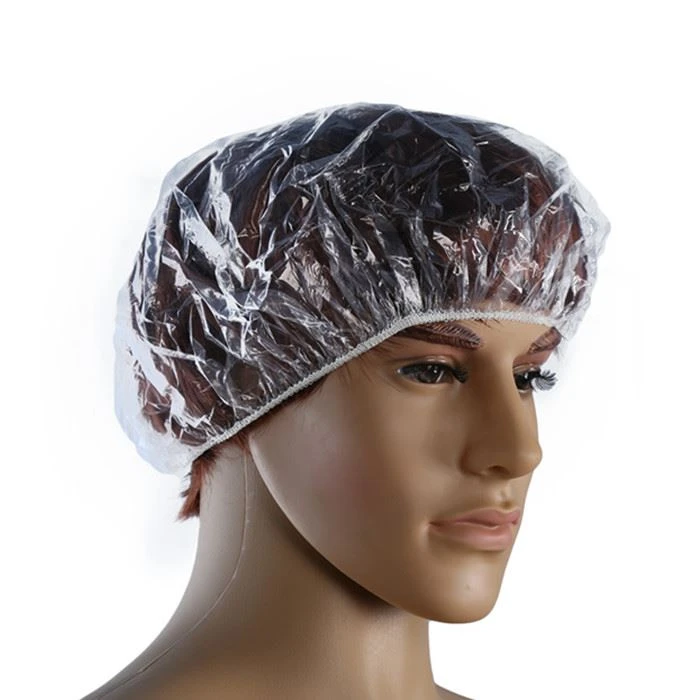

The Stretchability of Non - woven Bouffant Caps
Non - woven bouffant caps do have a certain degree of stretchability, but it's different from that of elastic materials like rubber or spandex. The stretch in non - woven caps mainly comes from the structure of the non - woven fabric itself.
Most non - woven fabrics used for bouffant caps are designed to have some give. When you put on the cap, you can stretch it over your head, and it will conform to the shape of your head to a certain extent. However, this stretch is limited compared to elastic materials.
The stretchability of non - woven bouffant caps depends on several factors. One of the key factors is the type of non - woven fabric used. There are different methods of manufacturing non - woven fabrics, such as spunbond, meltblown, and needle - punched. Spunbond non - woven fabrics, for example, tend to have a bit more stretch compared to meltblown ones.
The weight of the non - woven fabric also plays a role. Lighter - weight non - woven fabrics generally have more stretch because they're more flexible. Heavier - weight fabrics may be stiffer and have less stretchability.
Another factor is the design of the cap. Some non - woven bouffant caps are designed with a more open structure, which allows for more stretch. Caps with a tighter or more structured design may have less stretch.
Advantages of the Stretchability in Non - woven Bouffant Caps
The stretchability of non - woven bouffant caps offers several advantages. First of all, it provides a better fit. Since people come in all different head sizes, a cap with some stretch can accommodate a wider range of customers. This is especially important in industries where a proper fit is essential for safety and hygiene, like the medical and food industries.
Secondly, stretchability helps the cap stay in place. When you're moving around, working, or even just going about your daily activities, a cap that can stretch and conform to your head is less likely to fall off. This is a big plus, as it ensures continuous protection and coverage.
Limitations of the Stretchability
However, non - woven bouffant caps also have some limitations when it comes to stretchability. As I mentioned earlier, the stretch is not as significant as that of elastic materials. If you have an extremely large head or if you need a cap to stretch a great deal, non - woven caps may not be the best choice.
Also, over - stretching non - woven caps can cause damage to the fabric. Once the fabric is over - stretched, it may lose its shape and integrity, and the cap may not provide the same level of protection or coverage.
Comparing with Other Disposable Caps
Let's compare non - woven bouffant caps with other types of disposable caps in terms of stretchability.
Nylon Hairnets are another popular type of disposable head covering. Nylon hairnets usually have a high degree of stretchability because nylon is an elastic material. They can stretch to fit different head sizes easily and are very flexible. However, they may not provide the same level of coverage as non - woven bouffant caps.
PE Shower Cap and Women Shower Cap are often made from polyethylene (PE) material. These caps typically have limited stretchability. They're more rigid and are mainly designed to keep water out during showers. They may not be as suitable for applications where a good fit and stretch are required.
How to Choose the Right Non - woven Bouffant Cap Based on Stretchability
If you're in the market for non - woven bouffant caps and stretchability is an important factor for you, here are some tips.
First, consider the intended use. If you're using the caps in an industry where a wide range of head sizes need to be accommodated, look for caps made from lighter - weight, more stretchy non - woven fabrics.
Second, check the product specifications. Reputable suppliers usually provide information about the fabric type, weight, and stretchability of their caps. Make sure to read these details carefully before making a purchase.
Finally, you can also request samples. By trying out the caps yourself, you can get a better sense of their stretchability and how well they fit.
Conclusion
In conclusion, non - woven bouffant caps do have a certain degree of stretchability, which is beneficial for providing a good fit and keeping the cap in place. However, their stretchability is limited compared to elastic materials. When choosing non - woven bouffant caps, it's important to consider your specific needs and the factors that affect stretchability.
If you're interested in purchasing non - woven bouffant caps or have any questions about their stretchability or other features, feel free to reach out. I'm here to help you find the best caps for your requirements. Let's have a chat and see how we can work together!
References
- Textile Institute. (2023). Handbook of Non - woven Fabrics. Woodhead Publishing.
- ASTM International. (2022). Standards for Testing Non - woven Materials. ASTM Publications.