

Do disposable caps prevent hair from falling?
Dec 05, 2025
Disposable caps have become a common sight in various industries, from healthcare to food service, and even in our daily lives. One question that often arises is whether these disposable caps can prevent hair from falling. As a supplier of disposable caps, I've delved into this topic to provide you with a comprehensive answer.
Understanding Hair Loss
Before we explore the role of disposable caps in hair loss prevention, it's essential to understand the causes of hair loss. Hair loss can be attributed to a variety of factors, including genetics, hormonal changes, nutritional deficiencies, stress, and certain medical conditions. Each of these factors can disrupt the normal hair growth cycle, leading to excessive hair shedding.
The hair growth cycle consists of three phases: anagen (growth phase), catagen (transition phase), and telogen (resting phase). Normally, about 85 - 90% of our hair is in the anagen phase, while the remaining 10 - 15% is in the telogen phase. At the end of the telogen phase, the hair falls out, and a new hair begins to grow in its place. On average, a person loses about 50 - 100 hairs per day as part of this natural cycle.
How Disposable Caps Work
Disposable caps are typically made from materials such as nylon, non - woven fabric, or polypropylene. These materials are lightweight, breathable, and inexpensive, making them suitable for single - use applications.
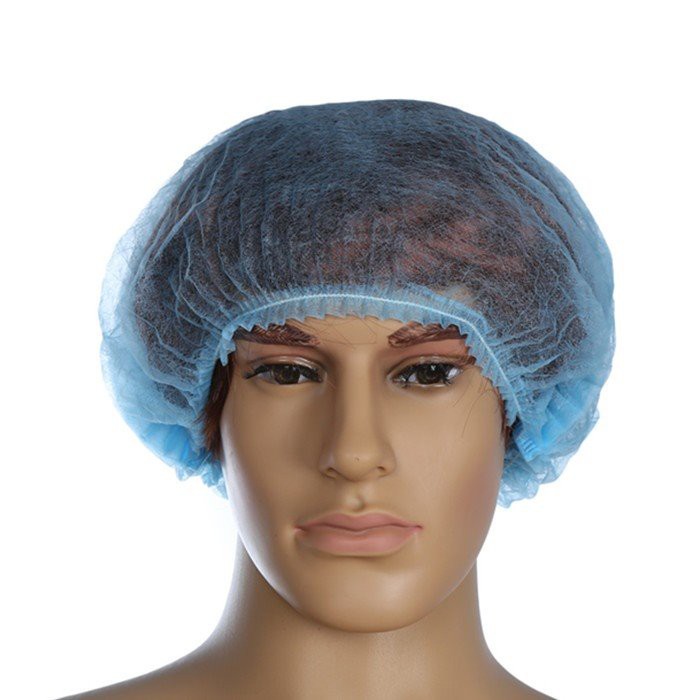
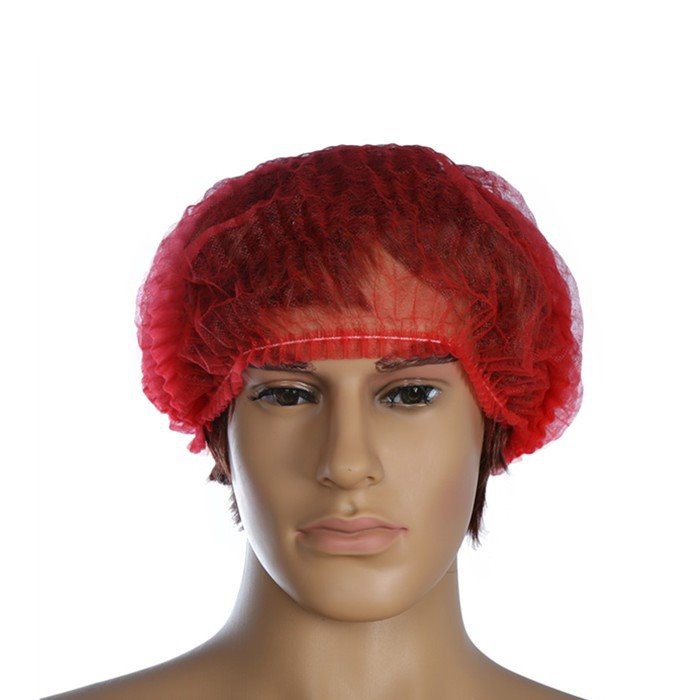
When it comes to hair loss, disposable caps primarily serve as a physical barrier. They can catch loose hairs that fall out during normal activities, preventing them from contaminating the surrounding environment. For example, in a food processing facility, disposable caps help maintain hygiene standards by ensuring that hair does not end up in the food products. In a healthcare setting, they prevent hair from falling onto surgical instruments or into open wounds.
Can Disposable Caps Prevent Hair Loss?
The short answer is no, disposable caps cannot prevent hair from falling at the root level. As mentioned earlier, hair loss is mainly caused by internal factors such as genetics and hormonal imbalances, which disposable caps have no direct influence on.
However, disposable caps can have an indirect impact on hair loss in certain situations. For instance, in a workplace where employees are exposed to harsh chemicals or physical hazards, wearing a disposable cap can protect the hair from damage. Chemicals like strong cleaning agents or industrial solvents can weaken the hair shaft, leading to breakage and increased hair loss. By wearing a cap, the hair is shielded from these harmful substances, reducing the risk of damage.
In addition, disposable caps can reduce friction between the hair and external objects. In a busy work environment, constant rubbing of the hair against equipment or clothing can cause hair breakage. A well - fitting disposable cap can act as a buffer, minimizing this friction and thus reducing the amount of hair breakage.
Types of Disposable Caps and Their Benefits
Round Nylon Hairnet
The Round Nylon Hairnet is a popular choice for many industries. Nylon is a strong and flexible material that can stretch to fit different head sizes. It has a fine mesh structure that effectively catches loose hairs. The hairnet is also breathable, allowing air to circulate around the scalp, which can help maintain a healthy scalp environment. This type of cap is commonly used in food service, beauty salons, and light industrial work.
Non - woven Nurse Cap and Clip Cap
Non - woven Nurse Cap and Clip Cap are widely used in the healthcare industry. Non - woven fabric is soft, comfortable, and hypoallergenic, making it suitable for people with sensitive skin. These caps are designed to cover the hair completely, providing maximum protection against hair fall. The clip cap is especially convenient as it can be easily attached and removed, making it ideal for quick changes during shifts.
Polypropylene Disposable Cap
The Polypropylene Disposable Cap is known for its durability and resistance to moisture. Polypropylene is a synthetic polymer that is lightweight and breathable. It can withstand repeated handling without tearing, making it a reliable choice for high - volume use. These caps are commonly used in manufacturing, construction, and other industries where workers are exposed to dust and debris.
Practical Considerations
When using disposable caps to manage hair fall, there are a few practical considerations to keep in mind. Firstly, it's important to choose the right size and type of cap for your needs. A cap that is too tight can cause discomfort and may even pull on the hair, leading to breakage. On the other hand, a cap that is too loose may not effectively catch the falling hair.
Secondly, proper disposal of used caps is crucial. Once a cap has been worn, it should be discarded immediately to prevent the spread of bacteria and other contaminants. This is especially important in healthcare and food service industries, where hygiene is of utmost importance.
Conclusion
In conclusion, while disposable caps cannot prevent hair from falling at the root level, they play a vital role in managing hair fall in various settings. They act as a physical barrier, catching loose hairs and preventing them from causing contamination. Different types of disposable caps, such as the Round Nylon Hairnet, Non - woven Nurse Cap and Clip Cap, and Polypropylene Disposable Cap, offer unique benefits depending on the specific requirements of the user.
If you are in need of high - quality disposable caps for your business, whether it's for food service, healthcare, or any other industry, we are here to help. We offer a wide range of disposable caps that are designed to meet the highest standards of quality and hygiene. Contact us today to discuss your specific needs and explore our product offerings. We look forward to partnering with you to ensure a clean and safe working environment.
References
- "The Biology of Hair Follicles" by Ralf Paus and Desmond C. J. Philpott, published in The New England Journal of Medicine.
- "Hair Loss: Causes and Treatments" by American Academy of Dermatology.
- "Textile Materials for Disposable Medical Products" by Journal of Textile Science & Engineering.