

Can non - woven hoods be reused?
Aug 08, 2025
Can non - woven hoods be reused? This is a question that often arises among our customers, and as a leading supplier of non - woven hoods, I'd like to delve into this topic comprehensively.
Understanding Non - woven Hoods
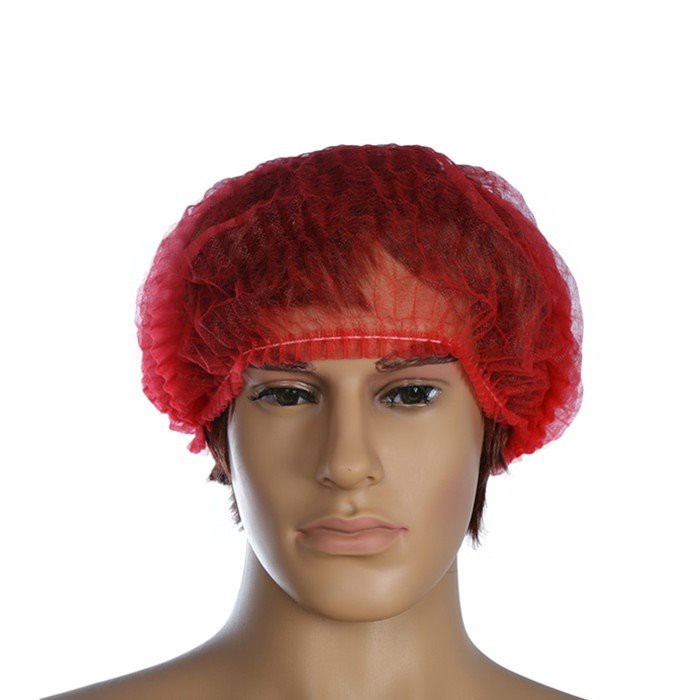
Non - woven hoods are made from non - woven fabrics, which are produced through a process that involves bonding or interlocking fibers together rather than weaving them. These hoods are widely used in various industries, including food processing, pharmaceuticals, electronics manufacturing, and healthcare. Their popularity stems from their affordability, lightweight nature, and excellent barrier properties against dust, hair, and other contaminants.
Factors Affecting Reusability
Material Quality
The quality of the non - woven fabric used in the hoods plays a crucial role in determining their reusability. High - quality non - woven materials are more durable and less likely to tear or lose their shape during use and subsequent cleaning. Our company sources only the finest non - woven fabrics, ensuring that our hoods can withstand multiple uses without significant degradation. For instance, some of our premium non - woven hoods are made from fabrics with high tensile strength, which means they can resist stretching and tearing even under moderate stress.
Contamination Level
The level of contamination the non - woven hoods are exposed to is another key factor. In industries where the hoods are used in relatively clean environments, such as some electronics manufacturing facilities, the contamination level may be low. In these cases, the hoods can potentially be reused after proper cleaning. However, in industries like food processing or healthcare, where the hoods may come into contact with biological or chemical contaminants, reusing them can pose a significant risk. For example, in a food processing plant, if a non - woven hood is contaminated with food particles or microorganisms, reusing it without proper sterilization can lead to cross - contamination and food safety issues.
Cleaning and Maintenance
Proper cleaning and maintenance are essential for reusing non - woven hoods. If the cleaning process is not carried out correctly, it can damage the fabric and reduce the effectiveness of the hood's barrier properties. We recommend using mild detergents and following a gentle washing cycle. Avoid using harsh chemicals or high - temperature drying methods, as these can cause the fibers in the non - woven fabric to break down. Additionally, after cleaning, the hoods should be thoroughly inspected for any signs of damage, such as holes or frayed edges. If any damage is detected, the hood should not be reused.
Advantages of Reusing Non - woven Hoods
Cost - effectiveness
One of the most significant advantages of reusing non - woven hoods is cost - savings. For businesses, especially those with large - scale operations, the cost of continuously purchasing new hoods can add up quickly. By reusing the hoods, companies can reduce their overall expenditure on personal protective equipment (PPE). For example, a medium - sized food processing company that reuses its non - woven hoods can save thousands of dollars annually on PPE costs.
Environmental Benefits
Reusing non - woven hoods also has positive environmental implications. Non - woven materials are often made from synthetic polymers, which can take a long time to decompose in landfills. By extending the lifespan of these hoods through reuse, we can reduce the amount of waste generated and contribute to a more sustainable environment.
Disadvantages of Reusing Non - woven Hoods
Reduced Barrier Efficiency
Over time, the repeated use and cleaning of non - woven hoods can cause the fabric to lose some of its original barrier properties. The fibers may become loose or damaged, allowing contaminants to pass through more easily. This can be a serious concern in industries where strict hygiene standards are required, such as the pharmaceutical industry.

Hygiene Risks
As mentioned earlier, reusing non - woven hoods that have been contaminated can pose hygiene risks. Even with proper cleaning, there is always a possibility that some contaminants may remain on the fabric, especially if the cleaning process is not thorough enough. This can lead to the spread of bacteria, viruses, or other pathogens, which can have serious consequences for both workers' health and product quality.
Alternatives to Reusing Non - woven Hoods
If reusing non - woven hoods is not a viable option, there are several alternatives available. We also offer a range of disposable headgear products, such as Nylon Hairnets, PE Shower Cap, and Non - woven Nurse Cap and Clip Cap. These products are designed for single - use, eliminating the need for cleaning and reducing the risk of cross - contamination. They are also available in various sizes and styles to meet the specific needs of different industries.
Conclusion
In conclusion, whether non - woven hoods can be reused depends on a variety of factors, including material quality, contamination level, and cleaning and maintenance. While there are potential cost - savings and environmental benefits to reusing these hoods, there are also significant risks, such as reduced barrier efficiency and hygiene concerns. As a supplier, we understand the importance of providing our customers with the best solutions for their specific needs. If you are considering reusing non - woven hoods, we recommend conducting a thorough risk assessment and following proper cleaning and inspection procedures.
If you have any questions about our non - woven hoods or other disposable headgear products, or if you are interested in discussing your procurement needs, please feel free to contact us. We are committed to providing high - quality products and excellent customer service.
References
- ASTM International. (20XX). Standard test methods for non - woven fabrics.
- Occupational Safety and Health Administration (OSHA). (20XX). Guidelines for personal protective equipment in the workplace.
- World Health Organization (WHO). (20XX). Hygiene standards for the food and healthcare industries.