

Are non - woven shoe covers suitable for high - traffic areas?
May 30, 2025
Non - woven shoe covers are a common protective item used in various settings. As a supplier of non - woven shoe covers, I often get asked whether these shoe covers are suitable for high - traffic areas. In this blog, I'll explore this question in detail, looking at the advantages and disadvantages of non - woven shoe covers in high - traffic scenarios, comparing them with other alternatives, and providing useful insights for those making purchasing decisions.
Advantages of Non - woven Shoe Covers in High - Traffic Areas
Cost - effectiveness
One of the most significant advantages of non - woven shoe covers is their cost - effectiveness. For high - traffic areas, where a large number of shoe covers may be used daily, the budget becomes a crucial consideration. Non - woven shoe covers are generally more affordable to produce and purchase compared to other types of shoe covers, such as reusable rubber or plastic ones. This makes them an attractive option for businesses and organizations looking to minimize costs while maintaining a certain level of cleanliness and protection.
For example, in a large manufacturing plant with hundreds of employees constantly moving in and out of different work areas, the cost savings from using non - woven shoe covers over reusable ones can be substantial. The ability to purchase non - woven shoe covers in bulk at a relatively low price allows these facilities to provide shoe covers to all their staff without breaking the bank.
Ease of Use and Disposal
Non - woven shoe covers are extremely easy to use. They can be quickly slipped on and off, which is essential in high - traffic areas where people are constantly on the move. There's no need for complicated tightening mechanisms or adjustments. In high - traffic areas like hospitals, where doctors, nurses, and other staff are moving rapidly between patient rooms and departments, the ease of using non - woven shoe covers ensures that they can quickly comply with hygiene protocols.

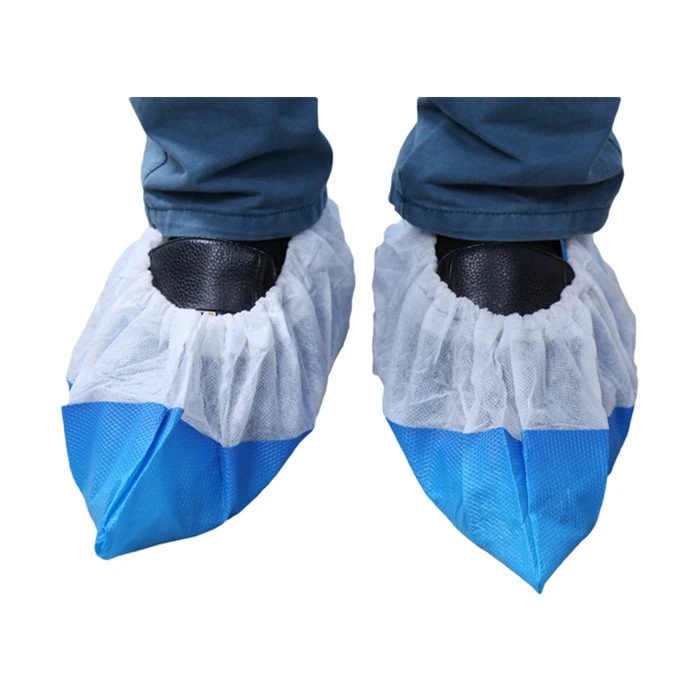
In addition, their disposable nature is a major plus. After use, they can be simply thrown away, eliminating the need for time - consuming cleaning and maintenance. This is especially beneficial in high - traffic areas where the volume of used shoe covers can be overwhelming. Disposable shoe covers also reduce the risk of cross - contamination that may occur during the cleaning process of reusable shoe covers.
Protection from Particles and Debris
Non - woven shoe covers are effective at preventing the spread of particles and debris. In high - traffic industrial areas, construction sites, or labs, there may be a lot of dust, dirt, or small particles on the ground. Non - woven shoe covers can act as a barrier, preventing these particles from being carried around on the soles of shoes and into other areas.
They are designed to trap these particles within the fabric, reducing the amount of contamination that is tracked throughout the facility. For instance, in a cleanroom environment where even tiny particles can cause problems, non - woven shoe covers help maintain the cleanliness level by preventing external contaminants from being introduced.
Disadvantages of Non - woven Shoe Covers in High - Traffic Areas
Durability Issues
One of the main drawbacks of non - woven shoe covers in high - traffic areas is their durability. Non - woven materials are not as strong as some other alternatives, such as rubber or heavy - duty plastic. In areas with a lot of foot traffic, sharp objects like nails or debris on the ground can easily tear the shoe covers. In a construction site or a warehouse with a lot of rough handling, torn shoe covers may render the protection ineffective and need to be replaced frequently.
Moreover, the constant friction from walking can cause the non - woven fabric to wear out quickly. This means that they may not last very long, especially in high - traffic areas where people are walking long distances or moving at a fast pace.
Slip Resistance
Slip resistance is another concern. In high - traffic areas where floors may be wet or slippery, such as in kitchens, bathrooms, or food processing plants, non - woven shoe covers may not provide adequate traction. The smooth surface of the non - woven fabric may not grip the floor well, increasing the risk of slips and falls. This is a serious safety issue, as even a minor slip can lead to injuries, especially in areas with a high volume of people.
Comparisons with Other Shoe Cover Options
Reusable Shoe Covers
As mentioned earlier, reusable shoe covers, such as those made of rubber or heavy - duty plastic, are more durable than non - woven shoe covers. They can withstand more wear and tear, making them a better option for high - traffic areas with harsh conditions. However, they are more expensive to purchase initially, and they require regular cleaning and maintenance.
In comparison, non - woven shoe covers are more cost - effective upfront and require no cleaning or maintenance. But due to their lack of durability, they may need to be replaced more often. So, the choice between reusable and non - woven shoe covers depends on the specific needs and budget of the high - traffic area.
Leather or Fabric Shoe Covers
Leather or fabric shoe covers are often more stylish and can provide a certain level of elegance. However, they are also more expensive and may require special care. In high - traffic areas, their maintenance can be a burden, and they may not be as effective at preventing contamination as non - woven shoe covers. Non - woven shoe covers are more focused on practicality and cost - efficiency, making them a more suitable option for most high - traffic industrial or commercial settings.
Making the Right Decision
When considering whether non - woven shoe covers are suitable for a high - traffic area, several factors need to be taken into account.
First, assess the nature of the traffic. If it's mainly light foot traffic in an office building or a small retail store, non - woven shoe covers may work well due to their cost - effectiveness and ease of use. However, in areas with heavy machinery, rough terrain, or high - risk activities, more durable shoe covers may be necessary.
Second, consider the floor conditions. If the floors are likely to be wet or slippery, non - woven shoe covers may need to be combined with additional anti - slip measures, or alternative slip - resistant shoe covers, such as Non Slip Disposable Shoe Covers, should be used.
Third, look at the budget. If cost is a major concern and the need for durability is not extremely high, non - woven shoe covers are a good choice. But if long - term use and minimal replacements are crucial, then investing in more expensive but durable shoe covers might be the better option.
High - Traffic Areas Where Non - woven Shoe Covers Are Commonly Used
Healthcare Facilities
In hospitals, clinics, and other healthcare settings, non - woven shoe covers are widely used. Although the traffic is high, especially in emergency departments and operating rooms, the ease of using and disposing of non - woven shoe covers is highly valued. They help prevent the spread of germs and contaminants between patients and different areas of the facility. Many healthcare facilities use Quality Disposable Shoe Cover to ensure the highest level of hygiene.
Cleanrooms
Cleanrooms in industries such as semiconductor manufacturing, pharmaceutical production, and biotechnology require strict control of environmental contaminants. Non - woven shoe covers are used to prevent dust and particles from being brought into the cleanroom environment. Despite the high - traffic nature of these areas, non - woven shoe covers are effective at maintaining the required cleanliness levels.
Retail Stores
Retail stores, especially those with a high volume of customers, use non - woven shoe covers to keep the floors clean. In stores where there may be a lot of dirt and debris brought in from outside, non - woven shoe covers can help protect the store's interior floors. They are also easy for staff to provide and for customers to use as they enter the store.
Recommendations for Suppliers (My Perspective)
As a non - woven shoe cover supplier, I recommend that in high - traffic areas where durability is a bit of an issue but cost - effectiveness is crucial, customers consider using a combination of different types of shoe covers. For example, use heavy - duty non - woven shoe covers or reinforced shoe covers in areas with more abrasion. In areas where protection is mainly from dust and light particles, standard non - woven shoe covers can be used.
I also suggest that in wet or slippery areas, encourage the use of slip - resistant non - woven shoe covers like the ones mentioned earlier. We offer a variety of options, including High Boot Shoe Cover, which can provide more coverage and protection in certain high - traffic scenarios.
Conclusion and Call to Action
In conclusion, non - woven shoe covers can be suitable for high - traffic areas in many situations. They offer cost - effectiveness, ease of use, and protection from particles and debris. However, they also have limitations in terms of durability and slip resistance. By carefully considering the specific needs of the high - traffic area, it's possible to make an informed decision about whether to use non - woven shoe covers or explore other options.
If you're interested in learning more about our non - woven shoe covers or discussing your specific requirements for high - traffic areas, feel free to reach out. We're here to provide you with the best solutions and high - quality products for your shoe cover needs. Contact us today to start a conversation about your potential purchase and how we can meet your expectations.
References
- "Textile Materials in Disposable Products" by John Constance
- "Safety Footwear: Selection and Use" published by the Occupational Safety and Health Administration
- "Hygiene Practices in High - Traffic Areas" from the American Journal of Infection Control