

Are non - woven hoods suitable for indoor use?
Aug 04, 2025
Hey there! As a supplier of non - woven hoods, I often get asked if these nifty little things are suitable for indoor use. Well, let's dig into it and find out.
First off, what are non - woven hoods? They're made from non - woven fabric, which is basically a fabric-like material that's bonded together rather than woven. This gives it some unique properties that can be a big plus for indoor settings.
Advantages of Non - woven Hoods for Indoor Use
1. Hygiene
One of the biggest selling points of non - woven hoods for indoor use is hygiene. In places like hospitals, laboratories, and food processing facilities, keeping things clean is super important. Non - woven hoods act as a barrier, preventing hair, dandruff, and other particles from falling onto surfaces or products.
For example, in a hospital operating room, surgeons and nurses wear Non - woven Doctor Cap to minimize the risk of contamination. These caps are designed to fit snugly and cover the hair completely, reducing the chances of any foreign objects getting into the surgical site.
In a food processing plant, workers wear non - woven hoods to ensure that no hair or debris gets into the food. This helps to maintain high food safety standards and keeps consumers safe.
2. Comfort
Non - woven hoods are generally very comfortable to wear. The non - woven fabric is lightweight and breathable, which means you won't feel hot and stuffy even if you have to wear the hood for a long time.
Imagine working in a hot kitchen all day. Wearing a heavy, traditional hat would be a real pain. But a non - woven hood allows air to circulate, keeping your head cool and comfortable. This can improve productivity and make the work environment more pleasant.
3. Cost - effective
These hoods are also cost - effective. They're usually disposable, which means you don't have to worry about washing and maintaining them. This is a huge advantage for businesses, as it saves time and money on laundry services.
For small businesses or startups, using disposable non - woven hoods can be a great way to keep costs down without sacrificing quality. You can easily order them in bulk and have a steady supply on hand.
4. Versatility
Non - woven hoods come in a variety of styles and sizes, making them suitable for different indoor applications. There are Disposable Non - woven Bouffant Cap that are loose - fitting and offer a lot of room for hair. These are great for people with long or thick hair.
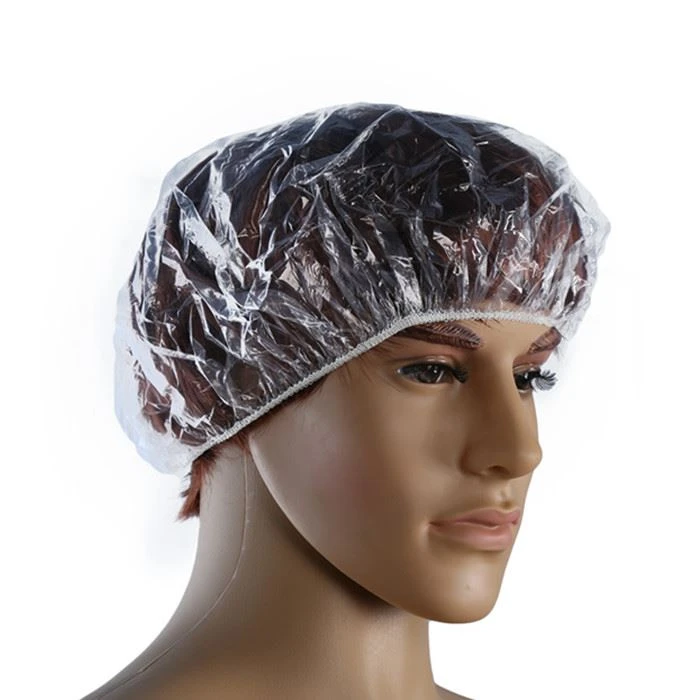
Then there are more fitted caps that are ideal for jobs where you need a more secure fit. And let's not forget about Women Shower Cap, which are specifically designed for women and can be used in bathrooms or other indoor settings where you want to keep your hair dry.
Disadvantages of Non - woven Hoods for Indoor Use
1. Durability
One of the main drawbacks of non - woven hoods is their durability. Since they're disposable, they're not built to last. If you subject them to a lot of wear and tear, they may tear or fall apart easily.
For example, if you're working in a rough environment where you're constantly moving around and bumping into things, the non - woven hood may not hold up well. In such cases, you may need to replace them more frequently.
2. Limited Protection
While non - woven hoods are great for preventing hair and small particles from falling, they may not offer much protection against other hazards. For instance, they won't protect you from chemicals or extreme heat.
If you're working in a chemical laboratory or a foundry, you'll need more specialized protective gear in addition to the non - woven hood.

3. Environmental Impact
Disposable non - woven hoods contribute to waste. Since they're designed to be used once and thrown away, they end up in landfills. This can have a negative impact on the environment, especially if large quantities are used.
However, some manufacturers are now starting to produce more eco - friendly non - woven hoods made from biodegradable materials. These can be a better option if you're concerned about the environment.
When are Non - woven Hoods Suitable for Indoor Use?
1. Cleanroom Environments
In cleanrooms, where even the smallest particle can cause problems, non - woven hoods are a must. Cleanrooms are used in industries such as semiconductor manufacturing, pharmaceuticals, and biotechnology.
The non - woven hoods help to maintain the high level of cleanliness required in these environments by preventing hair and other contaminants from entering the cleanroom.
2. Food Service
As mentioned earlier, non - woven hoods are widely used in the food service industry. Whether it's a restaurant kitchen, a bakery, or a catering service, workers need to wear hoods to ensure food safety.
The disposable nature of the hoods makes them convenient for food service establishments, as they can be easily replaced after each use.
3. Medical Settings
In hospitals, clinics, and dental offices, non - woven hoods are an essential part of the protective gear worn by medical staff. They help to prevent the spread of infections and maintain a sterile environment.
Surgeons, nurses, and other medical professionals wear non - woven doctor caps during procedures to protect both the patient and themselves.
Conclusion
So, are non - woven hoods suitable for indoor use? The answer is a resounding yes, in many cases. They offer a great combination of hygiene, comfort, cost - effectiveness, and versatility. However, they do have some limitations, such as durability and limited protection against certain hazards.
If you're in the market for non - woven hoods for your indoor business needs, I'd love to talk to you. Whether you're running a food processing plant, a cleanroom, or a medical facility, we have a wide range of non - woven hoods to meet your requirements. Just reach out and let's start a conversation about how we can help you keep your indoor environment clean and safe.
References
- Smith, J. (2020). "Hygiene in the Food Industry: The Role of Disposable Protective Gear." Journal of Food Safety.
- Johnson, A. (2019). "Cleanroom Technology and the Importance of Particle Control." Cleanroom Technology Magazine.
- Brown, C. (2021). "Medical Protective Equipment: Trends and Innovations." Medical Equipment Journal.