

Are disposable beard covers easy to clean up after use?
Aug 05, 2025
As a supplier of disposable beard covers, I often get asked about the ease of cleaning up these products after use. In this blog post, I'll delve into the details of how easy or difficult it is to handle the post - use cleanup of disposable beard covers, and why they are a practical choice for many industries.
Understanding Disposable Beard Covers
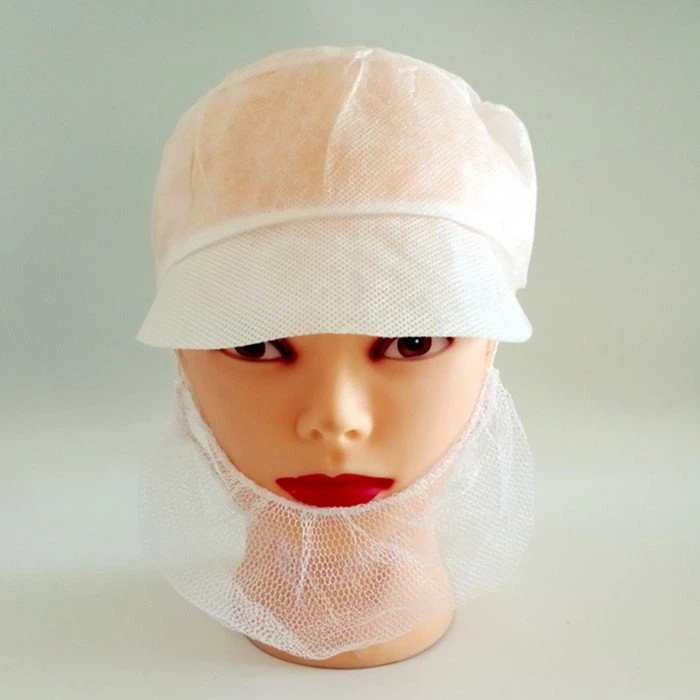
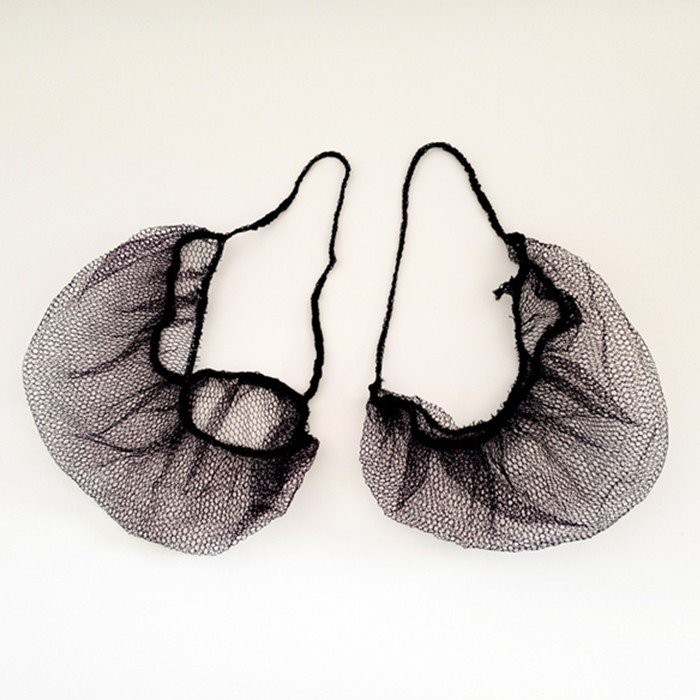
Disposable beard covers come in various types, each with its own set of features. We offer Non - woven Beard Cover, Disposable PP Beard Cover, and Mesh Single Elastic Beard Cover. These products are designed to provide a hygienic barrier for bearded individuals in different work environments, such as food processing, healthcare, and manufacturing.
The Concept of Disposability
The primary advantage of disposable beard covers is, as the name suggests, their disposability. Once they have served their purpose, they can simply be thrown away. This eliminates the need for complex cleaning procedures, which is a significant time - saver, especially in high - volume settings.
In a food processing plant, for example, workers are required to change their beard covers regularly to maintain strict hygiene standards. If they were using reusable beard covers, they would have to spend time cleaning, sanitizing, and drying them between uses. With disposable beard covers, they can quickly remove the used cover and put on a new one, ensuring continuous compliance with hygiene regulations.
Ease of Cleanup
The cleanup process for disposable beard covers is extremely straightforward. After use, you just need to remove the beard cover carefully to avoid any loose particles falling off. For most types of disposable beard covers, you can then place them directly into a waste bin. There's no need for soaking, scrubbing, or using detergents.
The non - woven beard covers, for instance, are made from a lightweight and porous material. They are designed to trap debris and particles from the beard, but once they are removed, they don't require any further cleaning. The same goes for the disposable PP beard covers, which are made from polypropylene. These materials are resistant to moisture and dirt, and they can be easily disposed of without leaving any residue.
The mesh single elastic beard covers, on the other hand, have a breathable design. Although they may collect more visible debris due to their mesh structure, they can still be disposed of without much hassle. The elastic band ensures a snug fit, and when it's time to remove the cover, you can simply stretch the band and take it off.
Hygiene and Cleanliness
Disposable beard covers play a crucial role in maintaining high levels of hygiene. Since they are used only once, there is no risk of cross - contamination that can occur with reusable beard covers. Reusable beard covers may retain bacteria and other contaminants even after cleaning, which can pose a health risk, especially in sensitive environments like hospitals or food production facilities.
In a healthcare setting, where the prevention of infections is of utmost importance, disposable beard covers provide an extra layer of protection. Doctors and nurses can use them during procedures to prevent the spread of microorganisms from their beards to the patients. Once the procedure is over, they can dispose of the beard cover, ensuring a clean and safe environment.
Cost - effectiveness
From a cost - perspective, disposable beard covers are also a smart choice. While the upfront cost of purchasing disposable beard covers may seem higher than reusable ones, when you factor in the cost of cleaning, maintenance, and replacement of reusable beard covers, the overall cost of using disposable beard covers can be lower.
For a small business, the time and resources saved on cleaning and maintaining reusable beard covers can be better spent on other aspects of the business. Additionally, since disposable beard covers are available in bulk, you can often get a better price per unit, making them a cost - effective solution in the long run.
Environmental Considerations
One of the concerns that some people have about disposable products is their impact on the environment. However, many disposable beard covers are made from materials that are either biodegradable or recyclable. For example, some non - woven beard covers are made from natural fibers that can break down over time, reducing their environmental footprint.
Moreover, the reduced water and energy consumption associated with not having to clean reusable beard covers can also be seen as an environmental benefit. By using disposable beard covers, you can contribute to a more sustainable approach to hygiene management.
Comparison with Reusable Beard Covers
When comparing disposable beard covers with reusable beard covers, the ease of cleanup is a clear advantage for disposable ones. Reusable beard covers need to go through a multi - step cleaning process. First, they need to be pre - soaked to loosen any dirt or debris. Then, they are washed with a detergent, rinsed thoroughly, and finally dried. This process not only takes time but also requires access to cleaning facilities and resources.
In contrast, disposable beard covers eliminate all these steps. They are designed to be used and discarded, providing a convenient and hassle - free solution for maintaining hygiene.
Conclusion
In conclusion, disposable beard covers are incredibly easy to clean up after use. Their disposability offers a simple and efficient way to maintain hygiene in various industries. Whether you're in the food processing, healthcare, or manufacturing sector, disposable beard covers can save you time, money, and resources.
If you're interested in purchasing high - quality disposable beard covers for your business, we invite you to contact us for a detailed discussion about your requirements. We can provide you with samples and competitive pricing to help you make an informed decision.
References
- Food and Drug Administration (FDA). Guidelines for Hygiene in Food Processing Plants.
- Centers for Disease Control and Prevention (CDC). Healthcare - Associated Infections Prevention Guidelines.
- Environmental Protection Agency (EPA). Sustainable Product Design and Disposal.